Practical Tips: Sail Together, Relax Together — A Simple Plan to Make Every Cruise a Little More Romantic
Attention: You want fewer arguments over the winch handle and more sunsets with a glass in hand. Interest: Imagine smooth sail changes, checklists you actually follow, and a map full of quiet anchorages that feel like they were picked just for two. Desire: That’s possible—without expensive gear or becoming an expert overnight. Action: Read on, try one or two Practical Tips today, and watch your next trip change from stressful to memorable.
Practical Tips for Relaxed Sailing as a Couple
Sailing as a duo is wonderful. It’s intimate, efficient and—yes—occasionally maddening. The trick is to remove small frictions before they grow. These Practical Tips focus on habits that reduce decision fatigue, increase comfort and keep both of you smiling, even when the wind pipes up.
As you build your routine, consult resources that help make those Practical Tips actionable: review our Crew Communication Protocols for concise deck language, use Sail Plan Templates when plotting routes, and lean on the Safety Checklist Essentials to double-check equipment. For packing, the Packing Light Guide saves space and stress, while Efficient Booking Strategies can free up time and money for longer escapes. Finally, keep a favorite site like sailwith2.org bookmarked for inspiration and updates about routes, gear and couple-focused advice.
Set clear, small goals
Before you cast off, ask: what do you both want? A training day? A lazy anchor-and-swim escape? A romantic overnight? Name it. Agreeing on the vibe prevents the classic tug-of-war: “I thought we’d race to the next bay” vs. “I wanted to relax here.” Simple, right? Yet often skipped.
Create recognizable rituals
Rituals are tiny anchors for the day. Make coffee together before you untie lines. Do a one-minute walk-around before leaving the dock. Have a five-minute check-in before you change tack. Repetition reduces argument and calms nerves. Over time, these rituals become comfort routines—like doing the dishes together after a meal ashore, but with sea spray.
Designate visible roles (but swap sometimes)
Label who’s the primary helm and who handles sails for each leg. Write it on a small whiteboard or simply agree aloud. Then, intentionally switch roles on calm legs so both of you keep skills sharp. Role clarity reduces overlap and prevents that awkward “who’s doing what?” moment when the weather turns.
Prioritize creature comforts
Small upgrades have outsized effects: comfortable cockpit cushions, a good windbreaker for each person, a stable table, and a sun awning for hot days. Reviews, mood and stamina improve dramatically when you’re not constantly cold, wet or cramped. These Practical Tips protect your energy for the fun parts—like snorkeling or negotiating a tricky harbor entrance.
Pre-Sail Checklists: Getting Ready Together
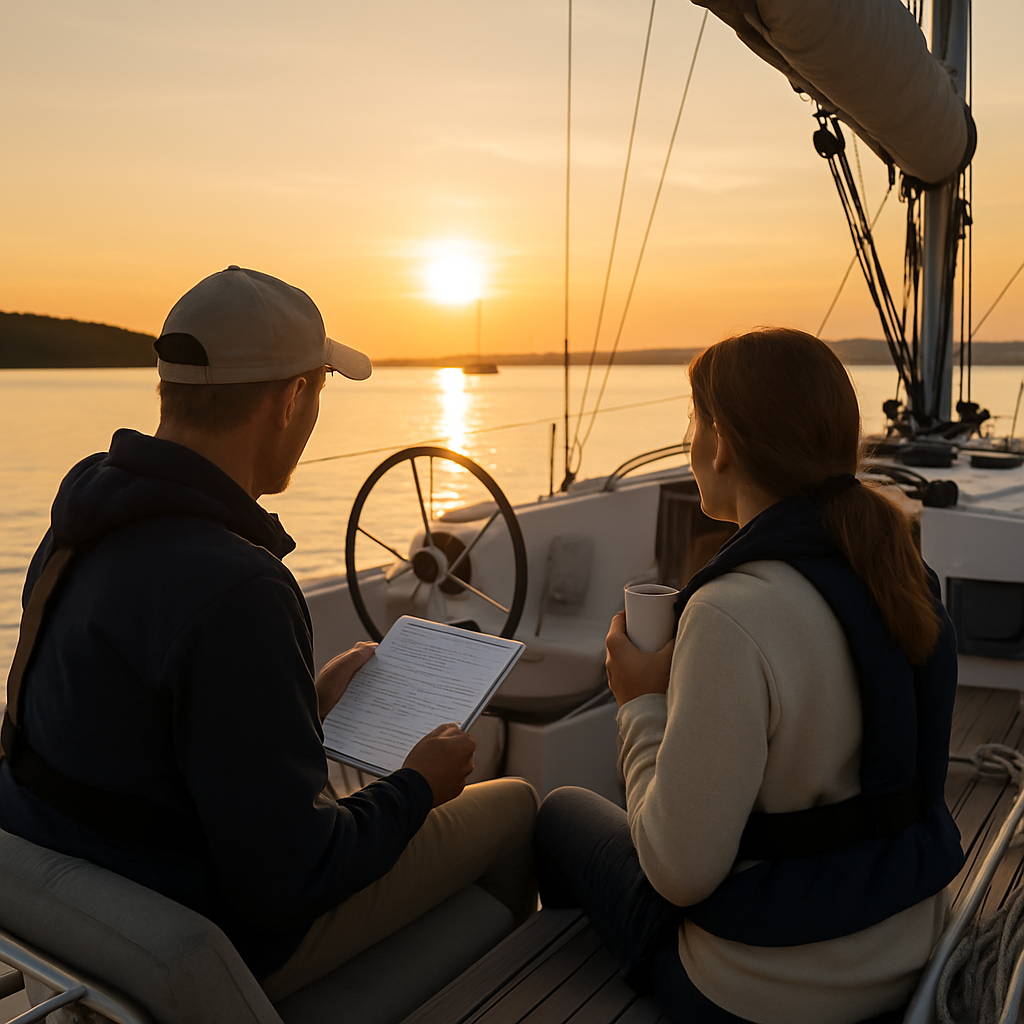
Checklists are your stress insurance. Run them together—one calls, the other verifies. That redundancy prevents missed items and builds trust. Below is a practical, couple-sized pre-sail checklist you can tailor to your boat and local waters.
Exterior & rigging
- Inspect standing rigging, shrouds and turnbuckles for corrosion or play.
- Check sails for tears, UV wear at the leech and clew; ensure halyards run freely.
- Secure winch handles and stow unnecessary lines tidy to avoid tripping.
Engine & systems
- Fuel level—top up if you’re near reserve. Check filters and raw-water strainer.
- Test battery voltage and charging system; verify alternator belt tension.
- Run bilge pumps and ensure float switches are free of debris.
Safety gear & comms
- PFDs and harnesses accessible for both people; adjust straps now—don’t do it in a panic later.
- VHF checked, handheld charged, EPIRB/PLB battery date confirmed.
- First aid kit stocked; seasickness meds and allergic-response meds visible.
Navigation & documentation
- Route plotted with waypoints, alternates and estimated times; paper charts in reach.
- Float plan left ashore with a friend or family member detailing route, boat name and expected return.
- Logbook, IDs, permits and passports stored in a waterproof pouch near the companionway.
Personal prep
- Sun protection: hats, sunscreen, polarized sunglasses for both.
- Layered clothing: base layers, fleece and a waterproof shell each.
- Food and water: at least one extra meal and plenty of drinking water beyond the plan.
Pro tip: laminate the checklist, keep a dry-erase marker nearby and make it a ritual. Checklists are boring—but they’re why weekend sails stay relaxing instead of turning into dramas.
Effective Communication on Deck: Roles and Rhythms
Good communication keeps the boat safe and the mood light. It’s more than talking—it’s using clear language, predictable cues and short debriefs. The following Practical Tips help you develop a rhythm so both of you feel confident and respected.
Adopt concise, consistent commands
Short commands reduce confusion. Use phrases like: “Ready to tack?” “Ready.” “Tack.” “Hard a-port.” Repeat the command if the deck is noisy. The goal: predictable language when hands need to move.
State intentions
Before changing course or trimming the mainsail, say what you’ll do and when. “I’ll ease the main 10 degrees.” It’s simple and prevents surprises. When you both know the plan, you act faster and safer.
Schedule regular check-ins
In easy conditions, check status every 30–60 minutes. In challenging conditions, every 10–15 minutes. Ask quick questions: “Speed? Heading? Any leaks visible?” Short, structured check-ins keep you aligned.
Use non-verbal cues
In rough seas or noisy marinas, hand signals matter. Agree on a few: arm up to hold course, arm across chest for stop, two fingers to prepare for change. They’re simple, but when the wind roars, they save words—and stress.
Debrief with kindness
At day’s end, take five minutes to praise what worked and talk about one small improvement. Keep it positive. A five-minute debrief prevents grudges and builds competence.
Safety Essentials for Two: Gear, Drills, and Procedures
Safety is Practical Tips in action. Gear is necessary, but drilled procedures make gear effective. For two-person crews, choose equipment that both can deploy quickly and practice key drills until they’re second nature.
Must-have gear
- Two properly fitting PFDs with harness attachment points.
- Manual bilge pump and automatic pump tested; a sturdy bucket as backup.
- VHF fixed unit and at least one charged handheld VHF.
- EPIRB or PLB, registered and within inspection dates.
- Throw line, lifebuoy, and a boarding ladder for recovery.
Recommended extras
- Dual tethers so each person can clip in independently.
- Personal AIS beacon or MOB AIS tag—great for quick reacquisition if someone falls overboard.
- Life raft sized for two or more, with simple boarding protocol practiced.
Essential drills to rehearse
Practice these at least twice a season. Keep sessions short and repetitive—this increases retention and reduces panic during a real event.
- Man Overboard (MOB): Immediate shout, throw flotation, assign eye-keeper, execute a pre-practiced recovery maneuver.
- Engine failure while motoring: Cut fuel, prepare sails, practice quick sail deployment and emergency tiller use if relevant.
- Fire response: Shut fuel, isolate the fire source, use the extinguisher and have an evacuation plan.
- Abandon-ship: Know what to grab (EPIRB, VHF, water, first aid), how to board the raft and how to stay visible.
Agree on emergency roles
Decide in advance who grabs what during an incident—who operates the radio, who prepares sails, who tends to first aid. Role clarity speeds response and keeps panic down.
Packing Light and Smart: What to Bring for Two
Packing is both art and science. Bring what you need and nothing extra. Smart packing keeps the boat tidy, reduces argument about missing items, and makes life on board more pleasant. These Practical Tips show you how to share, combine and compress.
Clothing strategy
- Layer, layer, layer. One good waterproof jacket each beats three bulky coats.
- Quick-dry underwear, two pairs of shoes (deck shoes + sandals), and one smart-casual outfit for dinners ashore.
- Use compression or vacuum bags for off-season gear to save locker space.
Kitchen & provisioning
- Plan meals—you’ll eat more happily and waste less. Pick recipes that reuse ingredients.
- Bring a single high-quality chef’s knife and one pot/pan combo that nests. Collapsible containers cut storage needs.
- Pack basics in small refillable bottles: olive oil, soy sauce, salt, pepper and a favorite spice.
Shared electronics & nav
- One main chartplotter plus a secondary handheld GPS or smartphone with offline charts.
- One power bank, a set of chargers, and a trickle solar panel for extended trips.
- Waterproof bag for paperwork, passports, and a small camera or phone for memories.
Comfort & entertainment
- Binoculars, deck cushions, and a lightweight speaker for music—choose one you both like.
- A deck-friendly game (cards or travel board), one shared book and a simple hammock for anchorages.
Storage tricks
Keep a communal kit for daily items: sunscreen, knife, line, first-aid basics and tools. Label everything. When you know where things are, you argue less and find things quickly when you need them.
Planning Romantic Sailing Getaways: Itineraries and Timing
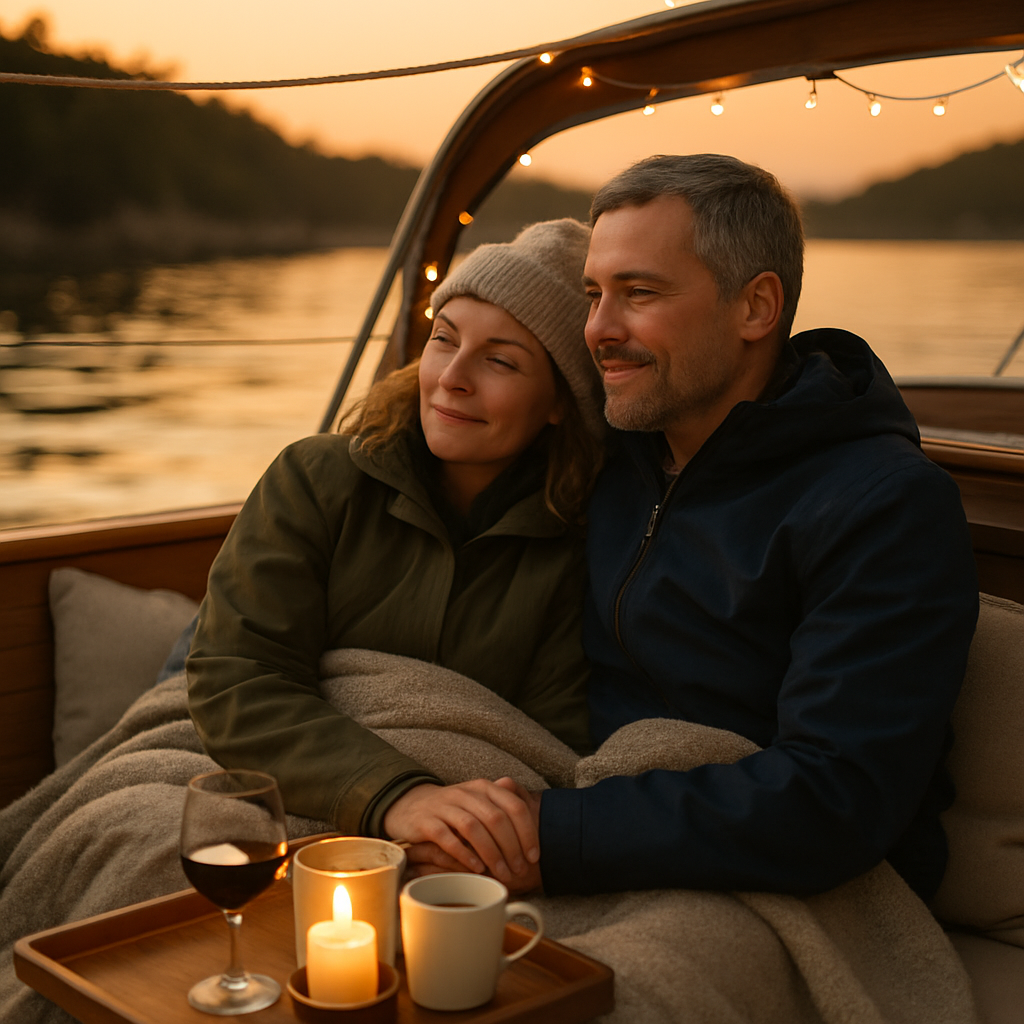
Romance on the water is more than candlelight—it’s pacing. Plan trips with a balance of sailing, rest and small surprises. These Practical Tips help you choose routes and timing that favor connection over exhaustion.
Short, 1–2 night escapes
Perfect for getting taste of the sea without missing weekend plans. Keep the itinerary simple: a short afternoon sail to a calm anchorage, an easy dinner together, and a slow morning sail home. That’s romance. That’s Practical Tips working.
3–5 night coastal breaks
These allow variety. Hop between anchorages and a marina. Alternate active days—longer sails or hikes ashore—with restful anchorages. Throw in one indulgence: a night ashore at a nice restaurant or a quiet beach picnic.
Week-long island-hopping trips
Bring flexibility. Plan daily distances that are comfortable—aim for 3–6 hours of sailing on travel days—and schedule spare days for weather. Alternate busy exploration days with lazy anchor days. Add a “splurge” night with a marina or boutique stay for variety.
Timing tips that make trips feel romantic
- Aim for sunrise or sunset sails—they’re calm and cinematic.
- Sail during shoulder season for fewer crowds and milder prices.
- Check weather windows for multi-day trips—calm forecasts equal calm minds.
- For celebrations, plan a small surprise: a playlist, a favorite dessert, or a printed map of your route with notes about why you chose each stop.
Putting It All Together: A Sample Day Plan for Two
Here’s a realistic day that blends Practical Tips into a flow you can adapt for any trip. Try it once and tweak for your tastes.
- 07:00 — Coffee together, quick exterior check. Agree on the day’s goal.
- 08:00 — Cast off and sail a short leg. Roles clear; music low; smiles present.
- 10:30 — Anchor in a cove. Swim, snorkel, or sunbathe. Cook a shared lunch.
- 14:00 — Quiet time: one reads while the other naps. Share snacks.
- 16:30 — Dinghy ashore for a walk, or take a scenic dinghy cruise around the bay.
- 19:00 — Sunset cocktails, simple dinner, a small debrief and star-gazing—then sleep when ready.
FAQ: Practical Tips for Couples Sailing
1. What are the top Practical Tips for relaxed sailing as a couple?
You’ll want to keep things simple: agree on the trip goal before leaving, set clear roles, use short commands, and plan comfortable stops. Small rituals—like morning coffee together and a five-minute check-in before maneuvers—cut stress. Prioritize creature comforts (cushions, windbreakers) so energy stays high and tempers stay low.
2. How do we create a pre-sail checklist that actually works for two people?
Make a laminated checklist with sections for exterior, engine, safety, navigation and personal items. One partner calls items aloud while the other verifies. Keep the checklist visible near the companionway and update it seasonally. Practicing the checklist together turns it into habit rather than a chore.
3. Which communication protocols should we use on deck to avoid confusion?
Adopt concise commands and predictable words—“Ready to tack?” “Ready.” “Tack.”—and always state intentions before maneuvers: “I’ll ease the main 10 degrees.” Agree on simple hand signals for noisy or windy moments. If you want more structure, check the Crew Communication Protocols.
4. What safety gear is essential for a two-person crew?
At minimum, carry two well-fitting PFDs with harness points, reliable VHF (plus a handheld), EPIRB/PLB, throw line or lifebuoy and working bilge pumps. Dual tethers and an AIS MOB tag are smart extras—especially if you sail offshore. Use a concise Safety Checklist Essentials as a reference.
5. How often should we practice safety drills, and which ones matter most?
Practice key drills at least twice a season: Man Overboard (MOB), engine failure, fire response and abandon-ship. Keep sessions short and repeatable. The goal is muscle memory: under stress you’ll do the steps automatically, which saves time and reduces panic.
6. How can we pack light without missing important items?
Share items, choose multi-use gear, and compress bulky clothing with vacuum bags. Pack a communal kit for high-use items (sunscreen, knife, basic tools) and reduce kitchen duplicates—one good knife, a nested pot/pan set, and refillable bottles for staples. Our Packing Light Guide has sample lists to copy.
7. What’s a good timeline for planning a romantic sailing getaway?
For a short escape, pick 1–2 nights with a nearby anchorage. For a relaxed coastal trip, plan 3–5 nights with one marina night. For island hopping, allow a week plus one or two reserve days for weather. Balance active travel days with lazy anchor days to keep things romantic rather than exhausting.
8. How do we avoid arguments and keep teamwork on the boat?
Communicate expectations before departure, assign clear roles, and debrief kindly each evening. Use rituals to reduce decision points and schedule downtime so neither partner is burned out. If tempers flare, pause tasks, breathe, and address the issue ashore or in calm conditions.
9. Where can we find sail plan templates and booking tips for couples?
Use simple sail plan templates to share your route with a shore contact and to keep alternates ready; these help reduce worry. Look up Sail Plan Templates for examples and consult Efficient Booking Strategies to save time and money when planning marinas or excursions.
10. What are common mistakes couples make and how do we avoid them?
Common mistakes: unclear expectations, poor communication, skipping drills, and overpacking. Avoid them by agreeing on goals, using concise commands, practicing drills regularly, and packing with a shared kit concept. Small habits—laminated checklists, 5-minute debriefs—prevent most problems.
Final Practical Notes
These Practical Tips are meant to be pragmatic and adaptable. They’re not commandments. Try one new habit per trip. Maybe you’ll add a laminated checklist this weekend. Maybe you’ll practice one MOB drill in calm conditions. Or perhaps you’ll plan a short sunrise sail and keep the rest of the day free.
Remember: the goal is connection—between you two and with the sea. Keep a sense of humor when things go wrong. Pack smart, communicate clearly, and protect the precious calm moments. With these small, repeatable Practical Tips, you’ll find that sailing together becomes not just an activity, but a shared rhythm and a growing collection of stories.
Before you go: make a tiny “couple’s log” on board. Note the anchorages you loved, ingredients that worked for dinner, and drills you practiced. Over time, that log becomes a map of memories—and a practical guide for your next voyage. Safe sails, good food, and many quiet sunsets to you both.