Hidden Island Escapes: Wake Up to Your Own Private Horizon — A Sail With 2 Guide
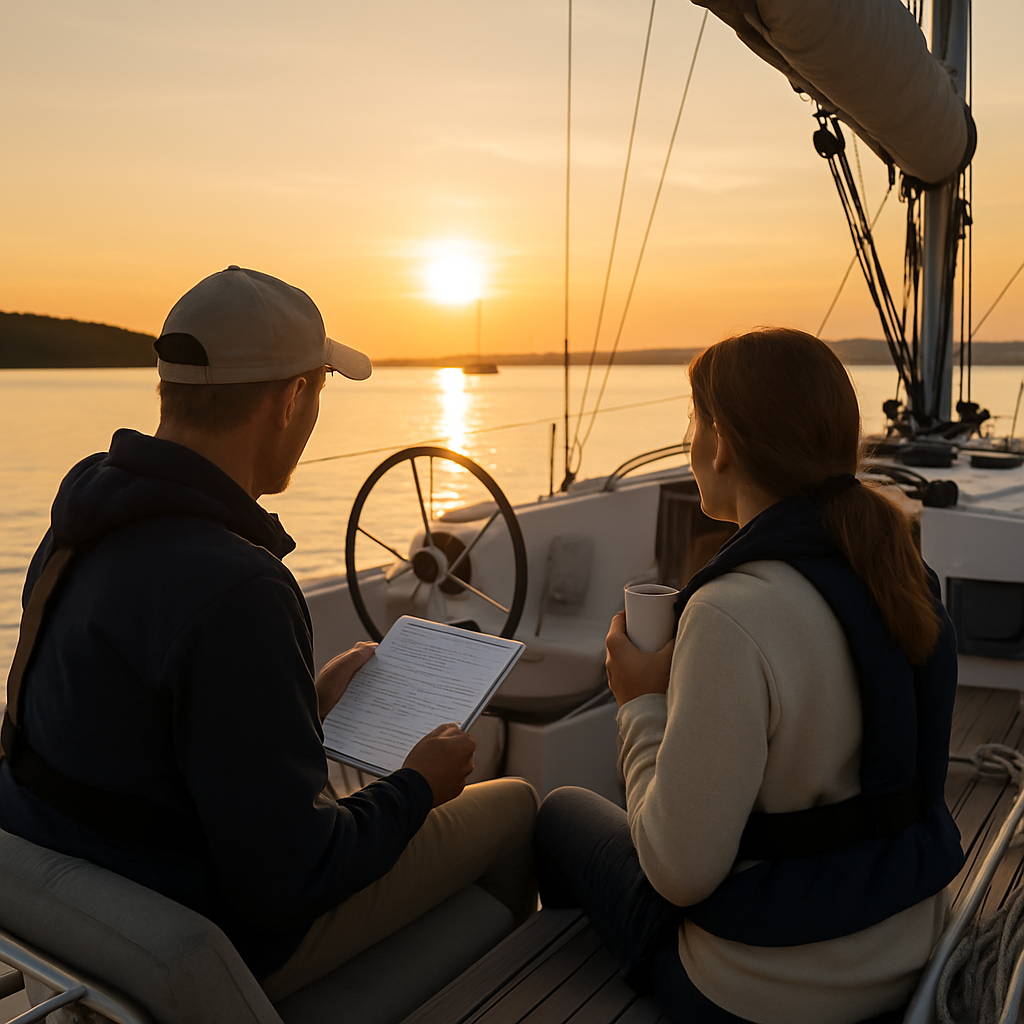
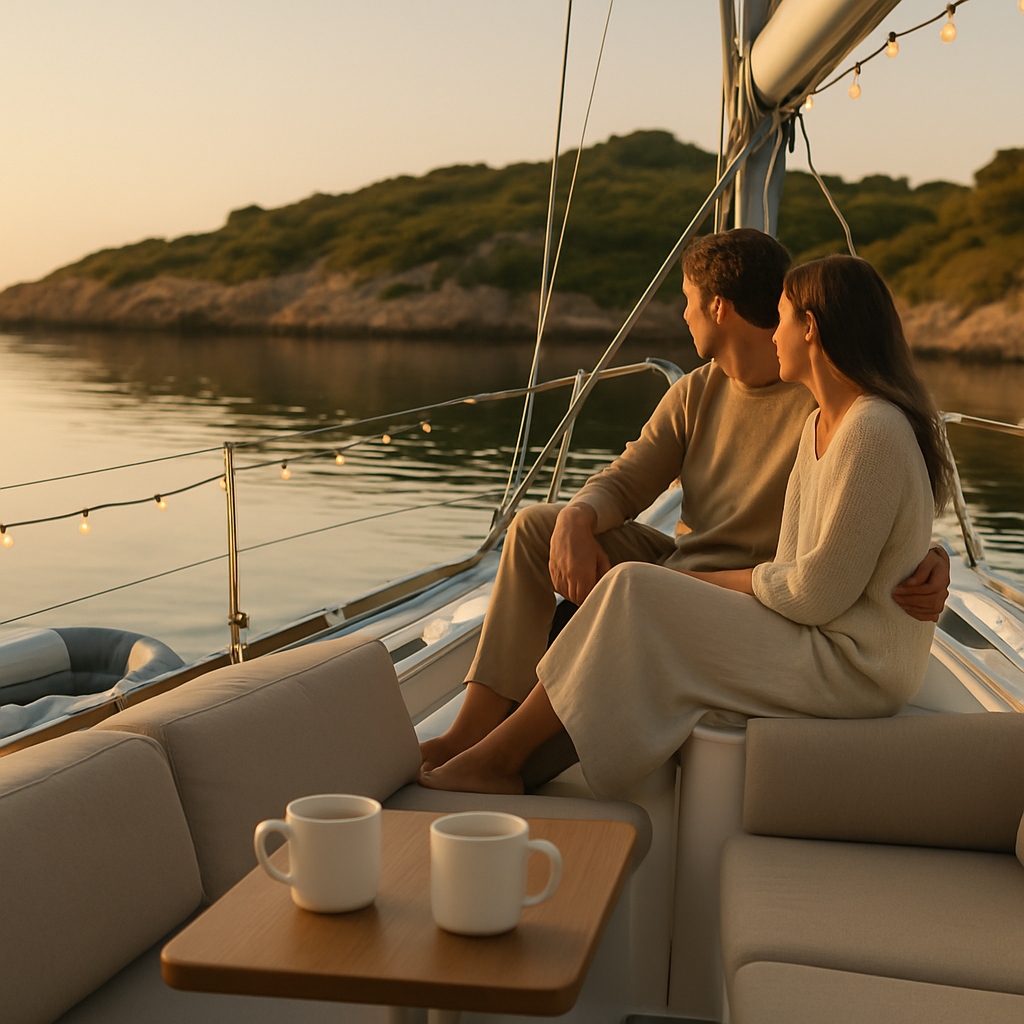
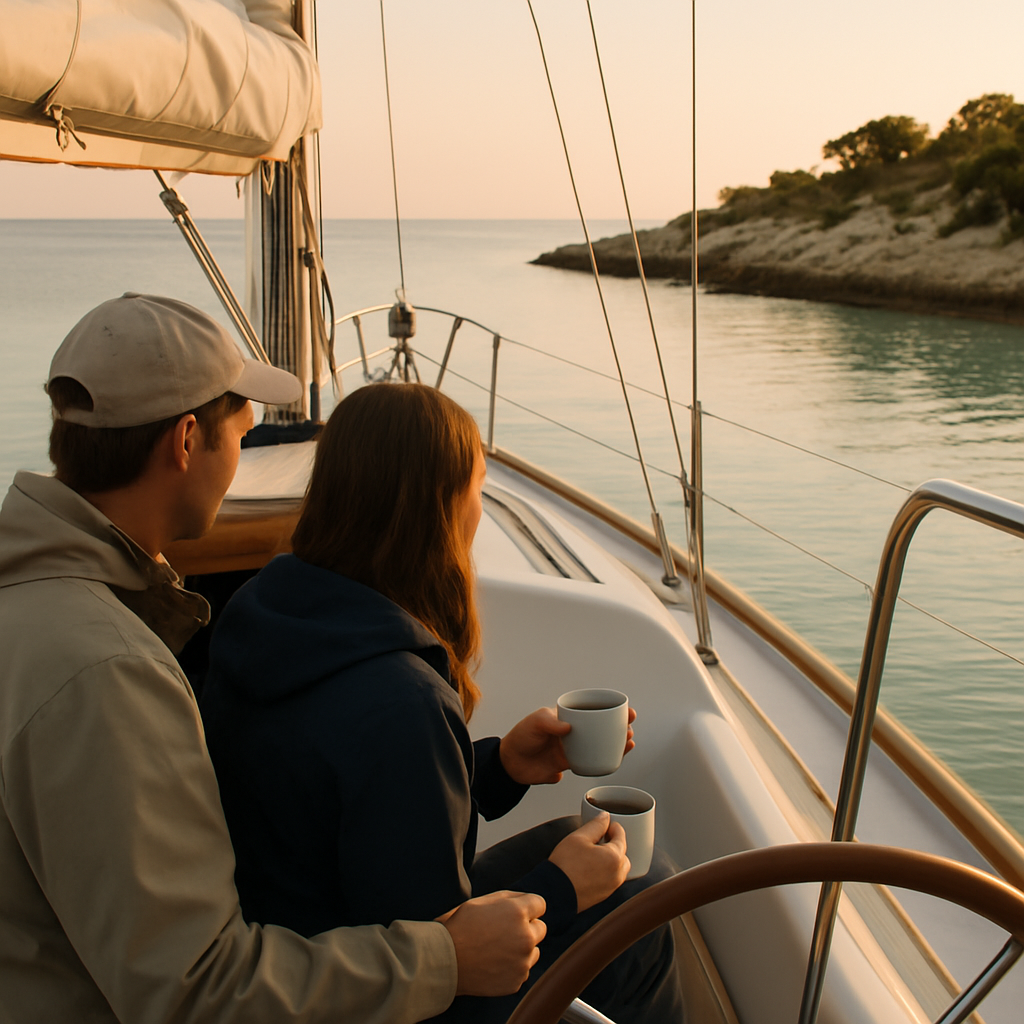
Du, imagine you and your partner, coffee warming your hands, a barely disturbed cove stretched out like a secret just for the two of you. The sails are stowed, the only sounds are gulls and the distant clink of a buoy. If that vision lights you up, then this is your map. In this guide Du will find practical planning steps, safety essentials, dreamy destinations, techniques to find private coves, and money-smart ways to make Hidden Island Escapes happen. Read on, and let’s turn that quiet horizon into a trip you will tell stories about for years.
Du, when you want concrete route ideas for turquoise anchorages and sheltered bays, sometimes a curated route list saves hours of research. If you’re plotting a weekend or a week-long hop and want inspiration for real, beautiful passages, take a look at Azure Lagoon Routes for examples that highlight calm approaches, reliable anchorages, and scenic shorelines; these routes often point to lesser-known coves perfect for couples seeking privacy and easy shore access.
Du, stopping in a friendly marina can be a practical way to resupply, fix a small issue, or simply enjoy a hot shower, but the right marina also becomes part of the experience. If you like the idea of combining a secluded night at anchor with the occasional comfortable stay ashore, check current listings for local spots and read reviews about services and ambiance—starting with anchors that lead to small towns and safe refueling points like the ones found in Coastal Town Marinas, which highlight marinas that balance charm with convenience.
Du, to broaden your options beyond a single chain or region, it helps to browse a wider collection of ideas and inspiration so you can pick what fits your season, skills, and budget. If you’re dreaming of remote atolls, quiet Mediterranean coves, or a string of bays that feel made for two, explore comprehensive lists and photographic guides such as Stunning Sailing Destinations—they give good overviews of climate windows, highlights ashore, and anchor types so you can decide where to point the bow next with confidence.
Romantic Sail Getaways for Couples
Romance at sea isn’t about frills; it’s about shared focus and small rituals. The kind of moments that stick are simple: trimming a sail together, sharing a hammock in the cockpit, stumbling across a phosphorescent bay at night. For couples, Hidden Island Escapes are the perfect antidote to noisy life ashore. But how do you create an itinerary that prioritizes closeness without turning the trip into a chore? Start by cutting down on long legs and upping the “stop-and-smell-the-salt” factor.
Designing a Couple-Centered Experience
Think short sails, long lunches, and a couple of pre-planned “surprise” moments. Those surprises can be as small as a favorite dessert waiting in the cooler, a playlist queued for sunset, or a pre-packed picnic ashore with a blanket and candles (battery-powered, please).
- Make mornings sacred: coffee, quiet, and a plan for the day.
- Balance active and passive: one snorkeling outing, one beach nap per day.
- Celebrate tiny wins: you set the anchor perfectly? Toast with something fizzy.
- Digital downtime: pick an hour each evening to tuck phones away and simply be present.
Small rituals make a trip feel curated, cozy, and intentional. They also create the kind of memories couples chase: private jokes, shared triumphs, and that warm glow of having a day made just for you two.
Discovering Hidden Island Escapes: A Sail With 2 Guide to Planning Secluded Destinations
Planning a Hidden Island Escape requires a mix of research, local knowledge, and realistic expectations. You want solitude, but you also want to arrive safely and enjoyably. The trick is to plan smartly and leave room for spontaneity. Below is a practical sequence to help you prepare.
Choose the Right Season and Region
Not all seasons are created equal. Shoulder seasons often offer milder crowds and friendlier rates without sacrificing weather. For example, Mediterranean coves shine in May–June or September–October. In tropical zones, avoid the main storm season and research microclimates—some chains have reliable sailing windows even if nearby areas are less forgiving.
Plan Short, Manageable Hops
For couples especially, shorter passages are kinder: they keep both of you fresh, reduce the pressure on navigation, and allow for more daytime exploration. Aim for 2–6 hour legs with predictable destinations. If a day surprises you with magic—an unexpected dolphin pod, a deserted white beach—stay longer.
Gather Local Knowledge
Charts, cruising guides, and satellite imagery are only part of the picture. Chat with harbormasters, marina staff, and fellow cruisers. Locals will whisper the best discreet coves and the right tide to approach. Their intel can turn a decent trip into a brilliant one.
Make Provisioning Count
Stock smart: water, fresh produce that keeps, and a couple of treat items that feel indulgent. Plan meals that let you cook together rather than in shifts—simple and soulful recipes win out over complicated gourmet experiments when you’re afloat.
Prepare for Contingencies
Even the best plans shift. Pack backup anchorages, keep an eye on weather updates, and have a clear turnaround plan in case conditions change. Flexibility makes Hidden Island Escapes less stressful and more adventurous.
Hidden Island Escapes Essentials: Gear, Safety, and Seamless Anchoring for Two
When it’s just the two of you, every piece of gear should earn its place. Prioritize comfort, redundancy, and systems that simplify tasks. Think “two hands on deck” rather than “two people overwhelmed.”
- VHF radio (fixed) plus a handheld backup
- GPS chartplotter and paper charts with a plotted route
- Reliable anchor set: primary anchor with adequate chain, a secondary kedge
- Anchor snubber and bridle for comfortable overnight rides
- Lifejackets with harnesses and tethers for night or rough weather
- Comprehensive first-aid kit including seasickness remedies
- Headlamps, spare batteries, and a waterproof handheld torch
- Water storage or a portable watermaker
- Tool kit: engine spares, raw-water impeller, fuses, duct tape (yes, really)
- Comfort items: good bedding, windbreakers, a compact speaker
Anchoring Techniques When You’re Two
Good anchoring equals good sleep. If either of you wakes up worried the boat will drag, the trip loses a lot of its charm. Practice these steps until they become second nature:
- Approach into wind/current slowly, put the engine in idle, and lower the anchor with controlled scope.
- Aim for 5:1 to 7:1 scope under normal conditions; increase scope if you expect wind shifts.
- Engage a snubber or bridle once the anchor is set—this absorbs shock and saves the windlass.
- Walk the boat back slowly to test the set, then use GPS to mark your position for overnight monitoring.
- Use a stern anchor or kellet in tight coves to reduce swing and keep plenty of room from the shoreline.
Doing this together gives both of you confidence. One person manages the rode while the other handles the helm—teamwork turns a chore into a shared ritual.
Safety Habits for Couples
Keep things simple and practiced. Make sure both of you can start the engine in the dark, reef a sail quickly, and perform a basic man-overboard recovery. Establish watch protocols even when anchored: a light rotation or a “sleep lightly” routine gives one person real rest while the other stays alert.
Hidden Island Escapes Around the World: Top Couple-Friendly Spots from Sail With 2
Not every paradise is overrun by tourists. Plenty of spots deliver quiet anchorages, scenic walks, and a dash of local charm—perfect for couples. Here are regions where you can stack solitude and beauty in your favor.
Mediterranean (Off-Peak Gems)
Think secluded bays in the Ionian islands, the quieter corners of Corsica, or Turkey’s less-visited southwestern inlets. In shoulder seasons you’ll find lovely weather and fewer boats—ideal for romantic evening anchorages and slow exploration ashore.
Caribbean (Smaller Chains)
The Grenadines and some of the Bahamas’ outer islands still offer genuine solitude. Anchor in a shallow turquoise bay, dinghy to a powdery beach, and listen to only the waves for company. Facilities might be sparse, but that’s part of the charm.
South Pacific Atolls and Archipelagos
If you can make the trip, remote atolls like parts of the Tuamotus or outer Fijian groups are unparalleled for privacy, snorkeling and starry nights. Expect coral sand, brilliant water, and a sense of being very far from ordinary life.
Pacific Northwest & British Columbia
Cooler weather, rich wildlife, and rugged coastline define romance here. Seal colonies, eagle sightings and misty mornings make for an intimate, forest-meets-sea vibe for couples who prefer a cooler palette.
Southeast Asia (Hidden Corners)
Areas like the lesser-known Indonesian islands or the Andaman Sea’s quieter pockets offer dramatic shorelines and warm, welcoming cultures. Mind the monsoon windows and respect local customs when you go ashore.
How to Find Private Coves: Hidden Island Escapes for Relaxing Time at Sea
Finding a truly private cove is part art, part research, and a dash of good timing. Want to be alone without compromising safety? Use these tactics.
Research Plus Reconnaissance
Start with nautical charts and cruising guides. Then cross-reference with satellite imagery—Google Earth is a goldmine for spotting small indentations that don’t show up in mainstream guides. After that, ask locals. A single tip from a harbor worker can send you to a cove you’d never find on your own.
Time Your Arrival
Arrive early or late. Private coves fill up during sunny midday hours. If you slip in at dawn, you’re likely to claim the best spot. Also factor in tides—some spectacular sheltered beaches are shallow at low tide and can trap an unwary dinghy.
Prioritize Shore Access
A good cove gives you easy, safe access ashore. Check for nearby trails, beaches that allow simple dinghy landings, or small rocky headlands for evening walks. A convenient shore means you’ll use it more—and that’s where memories are made.
Leave No Trace
Just because a place feels “yours” for a few hours doesn’t mean it belongs to you. Stay off nesting sites, pack out what you brought in, and anchor responsibly—don’t damage coral or eelgrass. The best Hidden Island Escapes are those that remain that way for everyone to enjoy later.
Hidden Island Escapes on a Budget: Affordable Secluded Island Adventures for Two
Quiet doesn’t have to be expensive. With a few cost-smart choices, you can make Hidden Island Escapes feel like a luxury without the price tag.
Pick Nearby, Sail Often
The simplest way to keep costs down is to choose destinations within comfortable sailing reach. You’ll spend less on fuel, less on marina fees, and you’ll probably go more often—practice makes perfect, and cheap trips make for many memories.
Travel in the Shoulder Season
Off-peak months can slash prices for mooring, provision items, and local services. Weather windows are key—don’t skimp on safety, but if the local climate works, go for it.
Cook Aboard and Anchor Out
Marinas are convenient, but anchoring out is where both savings and atmosphere happen. Cook simple, delicious meals aboard. A bottle of decent wine and a fresh loaf of bread can feel like Michelin-level luxury when you’re surrounded by nothing but sea and sky.
| Fuel & Passage Costs (Weekend) | $40–$150 |
| Provisioning (Groceries + Treats) | $60–$120 |
| Mooring / Buoy Fees (If Used) | $0–$60 |
| Misc (Ice, Dinghy Petrol, Small Fees) | $10–$50 |
With a bit of planning, a weekend Hidden Island Escape can easily be achieved for under $250 (not counting boat ownership or charter costs). The payoff? Priceless quiet and togetherness.
Practical Itineraries and Sample Day Plans for Couples
Here are two plug-and-play itineraries that prioritize ease, romance, and discovery. Adjust them to your local geography and your boat’s capabilities.
Weekend Escape (2 Nights)
- Day 1: Morning departure. Short sail to the first cove. Anchor and spend the afternoon snorkeling or beachcombing. Sunset picnic ashore with battery candles.
- Night 1: Cook dinner together, then stargaze from the cockpit. One person keeps a light, relaxed watch.
- Day 2: Early paddleboard session or walk ashore. Lunch on a secluded beach. Move to a second anchorage for variety and a different sunset view.
- Day 3: Leisurely morning, breakfast aboard, sail back with time to unpack and relax at home.
Five-Day Relaxed Hop
- Day 1: Transit to the first anchorage. Settle in and explore the shoreline by dinghy at dusk.
- Day 2: Hike a coastal trail, visit a tiny village café, and share a long, slow lunch.
- Day 3: Day sail to an even more remote island for exceptional snorkeling and afternoon lazing on the beach.
- Day 4: Stay put and soak in the quiet—read, cook, paddle, nap, repeat.
- Day 5: Sail home with a midday arrival, reload supplies, and plan the next Hidden Island Escape.
FAQ
Du, start with nautical charts and cruising guides, then verify promising spots with satellite imagery like Google Earth. Combine that with recent cruiser reports and a quick chat with the local harbormaster—locals often know the tiny coves not listed in guidebooks. Time your arrival for early morning or late afternoon to maximize solitude and check tides and holding ground before committing.
Is it safe to anchor overnight with only two people on board?
Du, yes—if you anchor properly and maintain basic safety routines. Use a reliable anchor and snubber, monitor weather and position with GPS, and set a light overnight watch rotation. Both partners should be comfortable starting the engine, checking the anchor, and executing simple emergency procedures. Having a handheld VHF and a charged phone or PLB adds peace of mind.
What gear is absolutely essential for a comfortable romantic Hidden Island Escape?
Du, prioritize a dependable anchor system, VHF radio, GPS/chartplotter, paper charts, lifejackets with harnesses, a comprehensive first-aid kit, headlamps, good bedding, and simple cooking gear. Small comforts—good windbreakers, a compact speaker, and a thermos—make evenings special. Carry spare engine parts, tools, and adequate water storage or a watermaker if you’ll be remote.
How do I anchor correctly in a narrow cove?
Du, approach into wind or current slowly, set the anchor with at least a 5:1 to 7:1 scope, and use a snubber to reduce strain on the rode. Test the set by gently reversing under low throttle, then monitor position with GPS. In tight coves consider a stern anchor or kedge to limit swing and keep distance from the shoreline and nearby boats.
How can we minimize our environmental impact while enjoying Hidden Island Escapes?
Du, avoid anchoring on coral or eelgrass—use sandy bottoms or established moorings where available. Pack out all waste, limit single-use plastics, and respect wildlife by keeping distance from nesting areas. Use eco-friendly cleaning products and follow local regulations for sewage and greywater disposal to keep anchorages pristine for future visitors.
What are the best times of year for Hidden Island Escapes in different regions?
Du, it depends on the region: Mediterranean shoulder seasons (May–June, September–October) are ideal for fewer crowds; Caribbean winter months are popular but can be busier—seek smaller chains for solitude; South Pacific and SE Asia require careful planning around monsoons and cyclone seasons—research local climate windows and pick the calm, lower-traffic months for the best experience.
How much should we budget for a typical weekend Hidden Island Escape?
Du, for a short weekend the out-of-pocket costs can be modest: fuel $40–$150, provisioning $60–$120, and occasional buoy or small marina fees $0–$60. With smart provisioning and anchoring out most nights, many couples keep a low-cost weekend under $250 (excluding boat ownership or charter costs). Small indulgences like a bottle of wine are well worth it.
What should couples with limited sailing experience do before attempting a secluded island trip?
Du, get a few practice sails under your belt in local waters, consider a coastal navigation course, and run through anchoring drills together. If either partner is unsure, hire a skipper or take a short skippered charter the first time to build confidence. Start with short hops close to safe harbors and work up to more remote anchorages as your skills grow.
How do we handle sudden weather changes in remote anchorages?
Du, stay ahead by checking weather forecasts frequently and monitoring local conditions. Have contingency anchorages plotted, carry a reliable VHF for updates, and consider an EPIRB or PLB for emergencies. If weather looks bad, don’t hesitate to move to a more protected harbor early—safety over scenery every time.
Which regions offer the best couple-friendly Hidden Island Escapes?
Du, look for quieter pockets within popular regions: Ionian and other Mediterranean coves in shoulder season, smaller Caribbean chains like the Grenadines, remote South Pacific atolls for real solitude, the rugged British Columbia islands for cool-climate romance, and lesser-known Indonesian or Andaman islands in Southeast Asia—each offers distinct flavors of privacy and beauty.
Closing Thoughts
Hidden Island Escapes are about more than geography; they’re a mindset. They’re a decision to slow down, to notice small things, and to choose one another over noise. With thoughtful planning, the right gear, and a willingness to be flexible, Du can turn quiet coves into your private getaway—again and again. Go ahead: pick a nearby chain, pack that thermos, and set a course for a horizon that’s yours alone. Sail With 2 wishes Du calm winds, safe anchors, and many shared sunrises.