Set Sail for Romance: Discover Stunning Sailing Destinations That Make You Fall in Love—Again
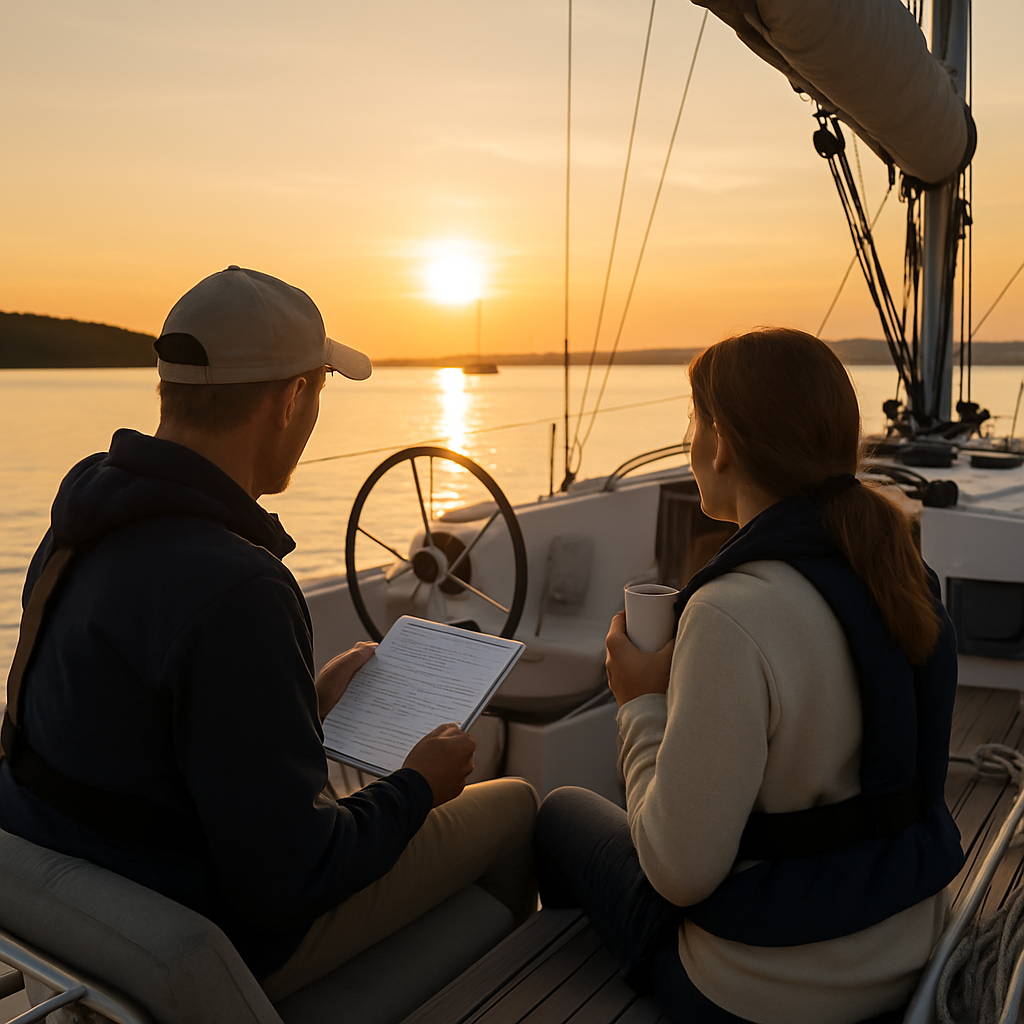
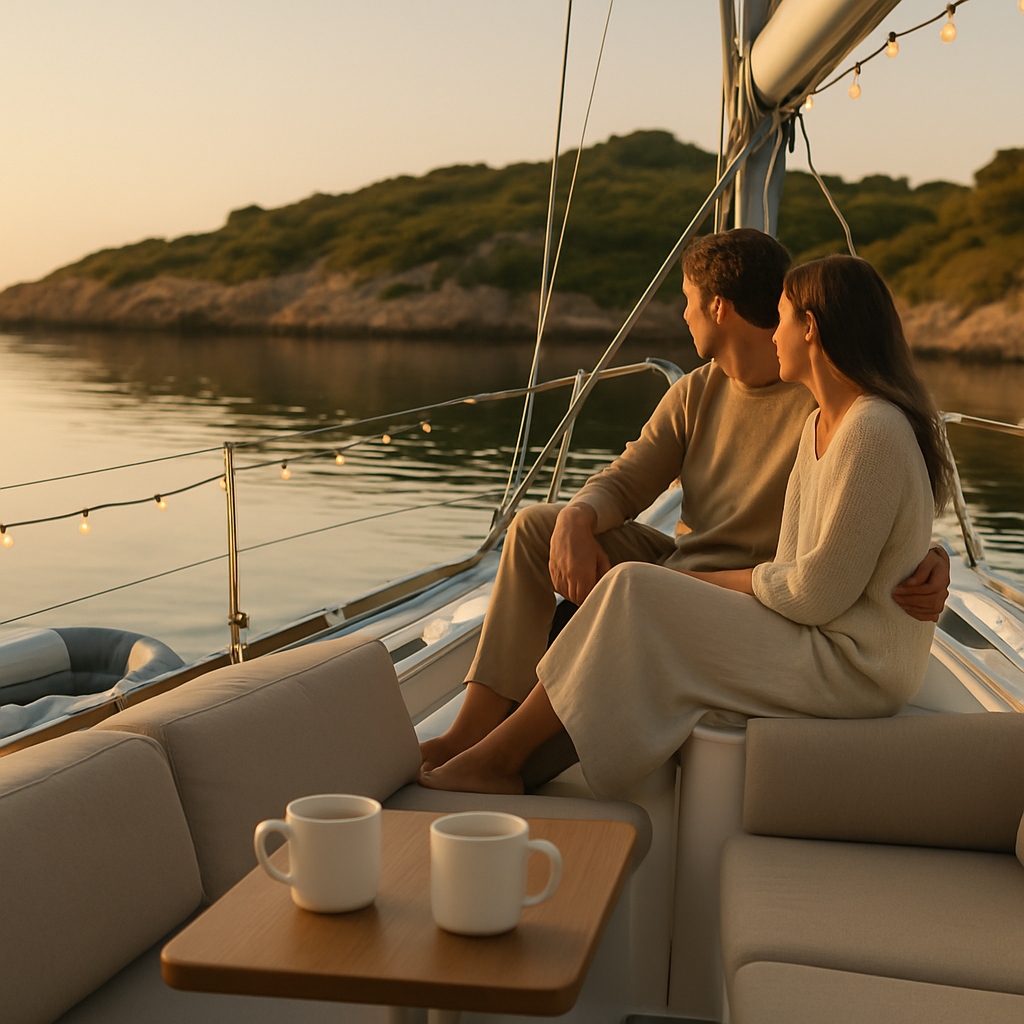
Imagine waking to the sound of gentle waves, sharing coffee as the sunrise paints the horizon, and slipping into warm water together just beyond the bow. If that sounds like your kind of date, you’re in the right place. This guest post from Sail With 2 guides you to the most stunning sailing destinations, when to go, how to plan safe and blissful passages, and the little rituals that turn a trip into a memory you’ll talk about for years. Read on—your next unforgettable voyage starts here.
Stunning Sailing Destinations for Couples: Top Picks by Sail With 2
Choosing the perfect destination can feel overwhelming. You want beauty, yes—but also ease: sheltered anchorages, friendly harbors, tasty food, and the kind of places where two people can get lost in a sunset without a crowd. Below are our favorite destinations that consistently deliver those “pinch-me” moments.
One practical way to start planning is to study curated route options for calm, scenic passages; our Azure Lagoon Routes feature slow, sheltered legs designed for relaxed cruising and scenic snorkeling stops. These routes emphasize anchorages with great holding, short daily hops, and scenic lanes between islands—perfect when you want to maximize quiet time on deck and minimize taxing maneuvering, so you can enjoy sunsets and simple onboard meals together without fuss.
For reef lovers and snorkel-curious couples, take a look at our recommendations for Barrier Reef Destinations, where clear waters and abundant marine life reward gentle exploration. We outline spots with easy access to spectacular coral gardens and family-friendly snorkeling that pairs wonderfully with lazy anchoring afternoons—pack shallow-water fins, a reef-safe sunscreen, and a camera for candid underwater memories you’ll both love to revisit.
If the idea of mooring in a charming harbor and wandering hand-in-hand down a waterfront entices you, our notes on Coastal Town Marinas will help. These recommendations focus on marinas with welcoming facilities, nearby market walks, and quay-side restaurants perfect for a romantic evening ashore. We cover how to approach these harbors, where to find quieter berths, and which towns are best for slow mornings and local food discovery.
Sometimes the best memories come from completely getting away from it all—our Hidden Island Escapes piece offers inspiration for finding tiny coves and private beaches that feel like they were saved just for you. These ideas prioritize privacy and natural beauty, plus tips on how to anchor respectfully in fragile environments, where a low-impact visit preserves the place and makes your shared discovery even more special for years to come.
If you want to dig deeper into gear lists, itineraries, and seasonal advice before committing to a route, the main site is full of resources and personal stories—check sailwith2.org for more articles, packing checklists, and couple-focused itineraries that expand on the short summaries here. We keep practical guides and first-hand accounts current, so you can plan with confidence and a sense of excitement about what’s ahead.
For evenings when you crave cinematic passages, our Sunset Strait Cruising recommendations outline narrow approaches and straits that glow at dusk—perfect for late anchoring and slow, dreamy sails between islands. These cruising suggestions include soundings, timing advice, and the kind of little local tips that transform a beautiful passage into a story worth telling, whether you prefer a single long coast-hugging leg or a series of short, sweet hops.
British Virgin Islands (BVI)
Why couples love it: short hops between islands, protected anchorages, and effortless snorkeling. The BVIs are practically designed for relaxed days—drop the hook, swim with turtles, and row ashore for a casual beachside bar. The sailing is straightforward, which means you spend less time wrestling with charts and more time sharing a cocktail on the stern.
Cyclades & Ionian Islands, Greece
Why couples love it: postcard-perfect villages, late sunsets, and a cuisine that’s both rustic and delightful. The Ionian tends to be gentler—great for newer sailors—while the Cyclades offer dramatic island-hopping and winds that reward good planning. Mooring in a tiny harbor and strolling cobbled lanes hand-in-hand? That’s Greece in one line.
Croatia — Dalmatian Coast
Why couples love it: crystal-clear waters, UNESCO towns, and a coastline brimming with hidden bays. Croatia balances culture with calm cruising. Anchor beneath a fortress, share grilled fish on deck, and wake to the unusual calm of a medieval town’s early-morning market.
Amalfi Coast & Capri, Italy
Why couples love it: dramatic cliffs, lemon-scented air, and an intimate sense of Italian dolce vita. Here, you’ll moor close to piazzas that spill with life. Onboard meals become opera-level when paired with limoncello and a view of a cliffside village at dusk.
Grenadines & Tobago Cays, Caribbean
Why couples love it: remote sandbars, world-class reefs, and a sense of being on a private island. Anchorages feel like postcard scenes. Snorkel with rays, picnic on tiny cayes, and surrender to the rhythm of warm trade winds. It’s the classic “blue-water romance.”
Seychelles
Why couples love it: granitic boulders, impossibly clear lagoons, and near-total seclusion. This is the place for couples who want privacy and scenery that feels otherworldly. Find your own beach. Bring a good camera. Or just turn off the phone and listen to the surf.
Whitsundays, Australia
Why couples love it: powdery white beaches, fringing reefs, and easygoing anchorages. Sailing here combines comfort with natural wonder—think midday swims, kayak exploration, and nights anchored under stars so bright you’ll forget city light exists.
Balearic Islands, Spain
Why couples love it: a playful mix of lively Ibiza spots and quiet Menorca coves. The Balearics give you variety: a day of clubby energy or a tranquil bay where you can read and nap. Tapas at sunset? Yes, please.
Turquoise Coast, Turkey
Why couples love it: ancient ruins ashore, warm blue water, and traditional gulet cruising vibes. The coastline invites slow exploration: swim, wander ruins, and share freshly caught fish with a sea breeze and a cold beer.
Bay of Islands, New Zealand
Why couples love it: sheltered harbors, wildlife encounters, and a rugged, green backdrop. It’s ideal for couples who crave nature and quiet. Dolphins often greet boats at dawn—if that’s not romantic, what is?
Seasonal Splendors: Caribbean, Mediterranean, and Beyond for Stunning Sailing Destinations
Timing can make or break your trip. You might find the perfect beach deserted—and a perfect day of sailing—if you choose the right month. Here’s our seasonal breakdown so you can pick the best window for your mood, skills, and travel goals.
Caribbean (November to April)
If you want sun and reliable trade winds, aim for winter months—the Caribbean is basically winter in paradise. November to April delivers drier weather and more stable sailing. Avoid the peak hurricane months (June to November) unless you’re tracking forecasts closely. Shoulder months like November and May can be gold: fewer crowds and still nice weather.
Mediterranean (May to October)
May and June: pleasant weather, blooming landscapes, and quieter marinas. July and August: lively, sometimes hot; expect more crowds and the meltemi winds in the Aegean. September: our personal favorite—water’s warm, daytrippers thin out, and evenings stay balmy long enough for late dinners ashore.
Indian Ocean & Seychelles (April to October)
The dry season here makes cruising smooth and scenic. April to October is comfortable and less humid. If privacy and big horizons matter to you, choose shoulder months when resorts are quieter and the islands feel personal.
South Pacific & Australia (May to October)
Winter in the southern hemisphere is actually the calm, dry period for many South Pacific locales—ideal for visibility and snorkeling comfort. The Whitsundays are best in these months when the weather is stable and reef visits are glorious.
Tips for Timing Your Trip
- Check festival calendars—local events can add magic or make bookings tricky.
- Research wildlife seasons if you want whales, turtles, or manta rays.
- Consider shoulder seasons for fewer crowds and better value.
Plan Your Perfect Passage: Weather, Tides, and Safety at Stunning Sailing Destinations
Romance at sea is sweeter when you’re not worrying about weather or gear. Good planning = more relaxing time together. Here’s how to keep the planning crisp and the romance uninterrupted.
Weather Routing and Forecasting
Before departure, look at long-range forecasts and gather local updates. Combine GRIB files, trustworthy weather apps, and local marina advice. For multi-day passages, even modest planning (and a professional routing service if needed) makes a world of difference. If you see a persistent system closing in, be flexible—move plans ashore, or choose a different route.
Tides and Currents
Currents can change the mood of a passage quickly—what feels like a calm morning can become choppy after a tide shifts. Study tide tables for narrow channels and harbor approaches. Plan entries on slack or favorable tides to avoid awkward berthing and stressed crews.
Passage Planning: Practical Steps
- Break routes into realistic legs: short hops let you enjoy more and avoid night stress.
- Identify alternates: have at least two backup anchorages for each leg.
- Approach harbors by day when possible—new places are easier in daylight.
- File a float plan with someone ashore and check in daily.
Safety Gear & Habits
Pack smart. Each person should have a personal flotation device, a harness if you’re going offshore, and a small personal torch. Keep an EPIRB or PLB, VHF radio with DSC, and AIS onboard and tested. Don’t forget a well-stocked first-aid kit and seasickness remedies (they save more evenings than you’d think).
Anchoring Like a Pro
Anchor in good holding and sheltered spots. Use the right scope (7:1 in calm conditions), consider a second anchor if winds will shift, and set a stern anchor if you want privacy from passing traffic. A quiet night at anchor beats a sleepless night in a crowded marina—most nights ashore should feel like your private little world.
Romantic Routes: Anecdotes and Insights from Sail With 2 at Stunning Sailing Destinations
Stories stick. Below are real moments—tiny, joyful, sometimes laughable—that taught us how to make any sail more romantic. Read them, steal the rituals, and tweak them for your style.
Sunset Anchoring in the BVI
We dropped anchor under a small palm, grilled the catch of the day, and shared a bottle of chilled white wine while the sky turned pink. A stray sea turtle did a slow circle around the hull. It was ridiculously simple. The lesson: keep meals easy and local; the boat is your dining room, and a beautiful sunset is the main course.
A Windy Day Turned Perfect in the Cyclades
One June afternoon the meltemi turned up. We hesitated about mooring, but found a sheltered cove with a family-run taverna. We dashed ashore, ate sweet figs and grilled octopus, and watched the wind sculpt the sea. The day felt cinematic. The lesson? Flexibility and local tips transform possible stress into a story you’ll laugh about later.
Rituals That Make Sailing Yours
- Morning coffee watch: one person steers as the other plans the day—trade-off the boredom of tasks for togetherness.
- Sunset playlist: have a two-dozen-song playlist that becomes “yours” — anchor to that tune and you’ll always remember where you were.
- One ashore, one onboard: balance a cooked meal onboard with at least one memorable dinner ashore.
- Photograph a single spot each anchorage: you’ll end up with a storybook of places you loved.
Gear, Packing, and Local Tips for Visiting Stunning Sailing Destinations
Packing well is romantic—seriously. A smooth voyage means more time for sunsets and less time untangling lines or chasing spares. Here’s a practical, couple-focused list.
| Category | Suggested Items |
|---|---|
| Clothing | Light layers, waterproof jacket, quick-dry shorts, a sweater for cool evenings, sun hat, non-marking deck shoes. |
| Safety & Navigation | VHF handheld, charged phone and powerbank, paper charts, headlamp, spare batteries, personal locator beacon. |
| Comfort & Leisure | Snorkel gear, inflatable paddleboard, binoculars, lightweight camera, a small travel game or deck of cards. |
| Medical & Misc | Comprehensive first-aid kit, seasickness meds, prescriptions in original packaging, reef-safe sunscreen, insect repellent. |
Packing Tips for Couples
- Coordinate a color palette: mix-and-match clothes save space and decision time.
- Duplicate what matters: each person should have their own PFD and headlamp, but common tools can be shared.
- Use dry bags: protect electronics and documents from spray and surprise showers.
- Create a small emergency contact list and keep it accessible to both of you.
Local Tips & Etiquette
- Speak a few local phrases—thank you and hello go a long way.
- Observe protected areas—some reefs require permits or have restricted anchoring.
- Support local businesses: family tavernas, markets, and small shops make travel richer.
- Leave anchorages cleaner than you found them. It’s the polite thing to do—and future couples will thank you.
Charter Styles: What’s Right for You?
Picking bareboat, skippered, or flotilla changes the vibe of your trip. Bareboat means privacy and independence—great if you’re confident. A skippered charter gives you local knowledge and stress-free docking. Flotillas are social and supportive—fun if you like company. Choose based on your seamanship, how much privacy you want, and whether you want someone to handle the logistics.
FAQ — Common Questions About Stunning Sailing Destinations
What are the most stunning sailing destinations for couples?
Du can expect a wide range of stunning options depending on what you love: secluded sand cayes in the Grenadines, dramatic Cyclades island-hopping in Greece, the granitic beauty of the Seychelles, or charming harbors along the Dalmatian Coast. The best choice depends on whether Du want privacy, culture, or reef snorkeling. Think about the kind of evenings you want—quiet anchorages, bustling piazzas, or candlelit tavernas—and pick a destination that matches that vibe.
When is the best time to visit these destinations?
Timing matters. Du should aim for the dry or shoulder season in each region: Caribbean from November to April, Mediterranean May to October (September is often ideal), Indian Ocean and Seychelles April to October, and the South Pacific/Whitsundays May to October. Shoulder seasons usually mean fewer crowds, better rates, and comfortable weather—great for couples who want both value and calm seas.
Do I need sailing experience to charter in these places?
Du don’t always need advanced experience. Many destinations offer skippered charters or flotillas so couples can relax while a local skipper handles navigation and berthing. Bareboat charters are fine if Du are comfortable with coastal navigation, anchoring, and docking. If in doubt, opt for a skippered option for at least the first few days—Du’ll learn local conditions and still enjoy privacy when you want it.
What essential safety gear should we bring?
Du should prioritize a life jacket for each person (with crotch straps for overnight or rough conditions), a handheld VHF, an EPIRB or PLB, AIS or MOB devices, and a first-aid kit suited to your route. Don’t forget seasickness remedies and spares for critical items like impellers or belts. Practicing basic drills before departure will help both of you stay calm if something goes sideways.
How do we choose between bareboat, skippered, and flotilla charters?
Consider how much privacy and control Du want versus how much local knowledge you’d like. Bareboat equals independence—best if Du’re confident sailors. Skippered charters provide a local expert who can find the best anchorages and handle tricky berths. Flotillas are social, structured, and supportive, which is great if Du want company plus on-the-water guidance without full commitment to skippered privacy.
What should we pack for a week-long sailing trip?
Keep it simple: light layers, waterproof jacket, quick-dry clothing, good hat, reef-safe sunscreen, non-marking deck shoes, personal meds, dry bags for electronics, and a compact first-aid kit. Du’ll also want a small daypack for shore visits and a copy of important documents stored both digitally and in a waterproof pouch onboard.
How can we be environmentally responsible while visiting reefs and anchorages?
Du should use reef-safe sunscreen, avoid anchoring directly on coral (use sandy bottoms), follow local rules for protected areas, and pack out any trash. Respect wildlife—don’t chase or feed animals—and support local conservation efforts when possible. A low-impact approach preserves these stunning places for future couples and protects the ecosystems that make them special.
How much does a typical sailing trip cost?
Costs vary widely based on region, season, and charter type. Du can expect budget bareboat weeks in some Mediterranean spots to be more affordable in shoulder seasons, while remote luxury destinations or skippered charters in the Seychelles or Grenadines will be pricier. Factor in fuel, marina fees, provisioning, and any permits. Getting quotes for your exact dates and desired level of comfort gives the clearest picture.
Do we need permits, visas, or cruising fees?
Often yes, depending on region: cruising permits, port clearance, or reef fees can apply. Du should check immigration and customs rules for each country visited, verify if permits are required for marine parks, and budget for local harbor dues. Your charter company or local agent can usually advise on paperwork and help arrange clearances to keep things smooth.
What helps with seasickness and enjoying the trip?
Prevention is best: Du can try scopolamine patches, over-the-counter antihistamines, or ginger-based remedies depending on personal tolerance. Stay hydrated, eat lightly, and get fresh air on deck when symptoms start. Choosing calmer routes and avoiding long night passages when you’re prone to seasickness will keep more evenings enjoyable for both of you.
Final Thoughts: Make Stunning Sailing Destinations Yours
Stunning sailing destinations are everywhere—but what makes them truly unforgettable is how you experience them together. Plan sensibly. Pack thoughtfully. Keep safety practical, not fearful. And leave room for spontaneous swims, unexpected tavernas, and late-night conversation under a blanket of stars.
At Sail With 2, we believe sailing is one of the best ways to connect with your partner and the natural world. Use this guide to pick a place that suits your mood and skills. Then go—anchor in that quiet cove, explore that cliffside village, dance barefoot on deck to your playlist. You’ll return with stories, photos, and a little suitcase of memories only the two of you share.
Want more? Sail With 2 offers detailed itineraries, packing checklists, and couple-focused tips. Dive in, plan your trip, and pick one of the stunning sailing destinations above. Soon enough, you’ll be writing your own anecdotes—and we can’t wait to hear them.