Find Calm Together: How Relaxing Sailing Experiences Turn Short Getaways into Lasting Memories
Du want time together that feels effortless—no rushing, no checklists that swallow the day. Imagine waking to glassy water, sharing a slow coffee while gulls wheel overhead, and drifting from one sheltered cove to the next with nothing urgent on the horizon. That’s exactly what Relaxing Sailing Experiences deliver—space to talk, to be quiet, and to rediscover why Du started sailing together in the first place. Read on to discover why calm cruising matters for couples, five scenic itineraries built for romance and ease, simple rituals to make quality time automatic, how to pace the day so stress never sneaks aboard, hidden-destination ideas, and the essential gear that keeps things smooth.
If Du like the idea of slow, protected legs that let Du savor each bay, our practical guide to Calm Coastal Cruising walks Du through route planning, anchoring tips, and choosing coves with the best sunset views. It’s written with couples in mind, focusing on short hops, easy provisioning, and how to pick anchorages that invite long, lazy afternoons with a book or a shared nap. You’ll find straightforward checklists and warm, conversational advice that’s perfect for weekend escapes.
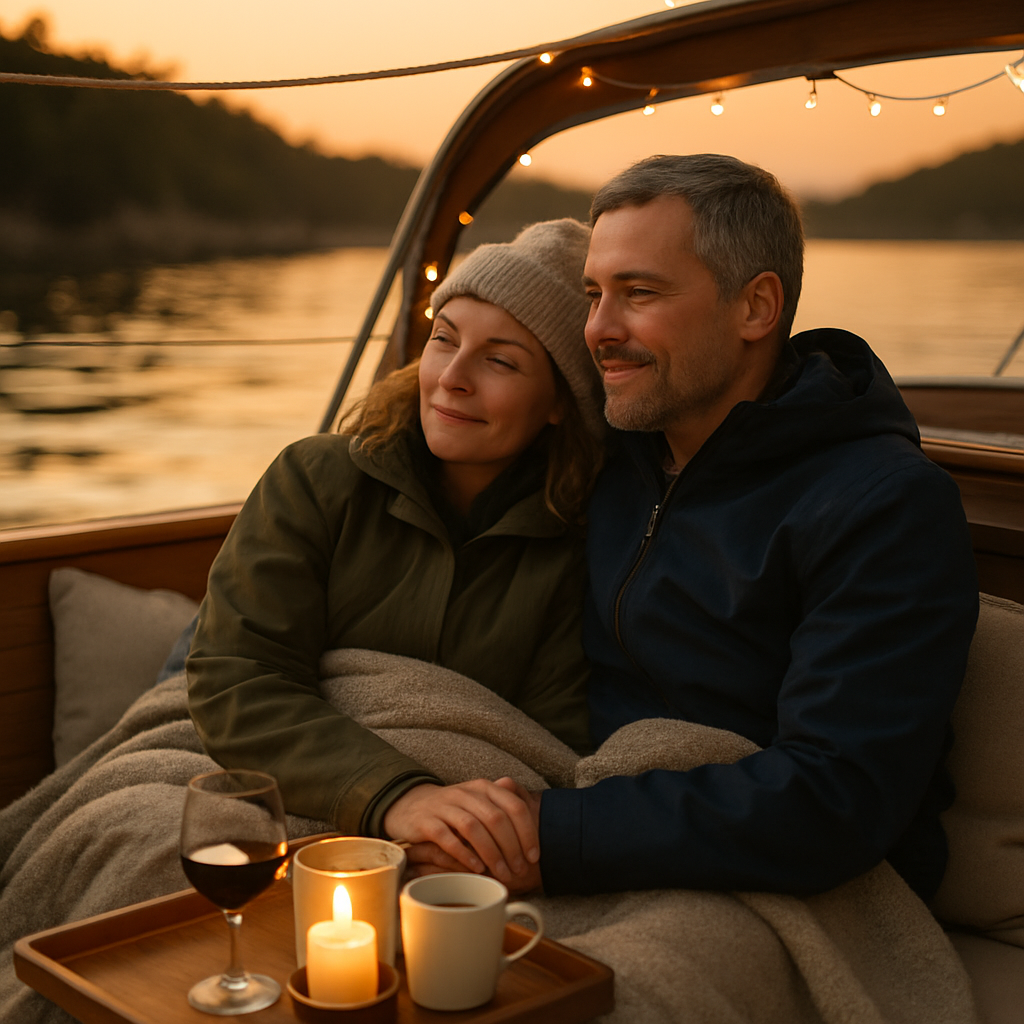
When evenings are the highlight of the day, small rituals can transform ordinary nights into cherished memories—our piece on Evening Onboard Relaxation offers ideas like simple lighting, shared playlists, and easy meals that feel like a treat instead of a project. The article includes tips on mood-setting without fuss, ways to rig cozy lighting safely, and ideas for no-fuss desserts Du can prepare on a tiny galley stove. These touches keep the focus on each other, not logistics.
If mornings set the mood for the whole day, consider adopting a slow-start routine; our Gentle Morning Sails feature explores how to time departures for glassy water and soft breezes, and why sunrise coffee routines matter. It also covers how to plan short early legs so Du can enjoy calm seas, birdlife, and that slightly golden light sailors crave—without having to race the tide or hustle through the pre-departure checklist.
Quiet anchorages are the backbone of a restful cruise, and our guide to Quiet Anchorage Time explains how to pick spots that minimize noise, reduce swell, and maximize privacy. You’ll learn how to scope out sheltered hollows, the best ways to set a stern anchor for calmness in a breeze, and how to plan shore excursions that don’t turn a peaceful day into an exhausting outing. It’s all about preserving the slow rhythm.
For a broader set of resources and more couple-focused stories, don’t forget to check the home hub at sailwith2.org, where Du’ll find destination guides, packing lists, and personal anecdotes from other sailors who favored calm over chaos. The site collects approachable advice aimed at partners who want to share sailing without turning every trip into a technical operation—perfect if Du crave a balance of competence and leisure on board.
And if Du fancy adding a wellness angle to the trip, our Spa Inspired Seafaring piece suggests tiny, ship-friendly rituals—simple aromatherapy, chilled towels after a swim, and mindful breathing exercises—that bring a spa-like ease to the deck. Small, repeatable acts like these can make the boat feel like a floating retreat and help both of you arrive back on land feeling rested rather than wrung out.
Why Relaxing Sailing Experiences Matter for Couples
Not every sail needs to be a test of skill or a race to a distant port. Relaxing Sailing Experiences are about choosing connection over speed, calm over conquest. When Du and your partner opt for slow, intentional days on the water, several benefits follow naturally:
1. Presence beats distraction
On the water, the usual interruptions—emails, errands, social media scrolling—lose their grip. Without constant pings, Du and your partner can actually listen to each other, laugh properly, or enjoy minutes of companionable silence. That kind of presence is rare and it’s unexpectedly restorative.
2. Shared, low-pressure tasks build teamwork
Doing small tasks together—raising a sail, prepping a picnic, rinsing salt off the deck—becomes a ritual rather than a chore. Those shared moments create gentle rhythms that strengthen trust without the sweat and stress of a hard passage.
3. Mental reset with salt-and-sky therapy
There’s real science behind the calm Du feel by the sea: blue environments reduce stress, rhythmic motion can soothe the nervous system, and fresh air clears mental clutter. Combine that with short sails and you have a powerful recipe for emotional recharge.
4. Memories are made in the small things
It’s rarely the long crossings remembered most; it’s the unexpected sunset reflected on a hull, a shared joke while drying off, or a tiny island café found by chance. Relaxing Sailing Experiences make room for these micro-memories.
So if the goal is to reconnect, slow down without giving up adventure, or simply keep sailing fun, design trips where relaxation is the primary objective. Choose sheltered waters, realistic daily distances, and a pace that invites curiosity rather than exhaustion.
Five Scenic Itineraries for Calm Waters and Romantic Views
Here are five thoughtfully chosen itineraries that prioritize sheltered bays, short hops, scenic anchorages, and plenty of downtime. Each plan is adaptable—scale distances to the boat and the season, and you’ll have the blueprint for many cozy weekends or longer getaways.
1. Coastal Bays Loop: Long Sunsets, Short Sails
Start from a familiar marina and plot a loop through a string of small bays and coves. Keep daily passages to under two hours. Anchor in a west-facing cove for sunsets, use the dinghy for beach walks, and carry a small grill or portable stove for easy, romantic dinners on deck. This itinerary is perfect when Du want a calendar-free weekend where time seems to stretch.
2. Archipelago Island Hop: Quiet Islands, Big Skies
Choose an archipelago with tightly spaced islands and protected channels. Short crossings let Du linger for snorkeling, foraging shoreline snacks, or following a path to a lonely lighthouse. Because the islands break the swell, even windy days feel manageable and intimate—ideal for couples who want both exploration and comfort.
3. River-to-Estuary Drift: Green Banks and Village Stops
Sail up a slow river into a tidal estuary, mooring near small towns and nature reserves along the way. Rivers offer calm water, birdlife, and bookend villages for morning coffee or an impromptu market stop. The scenery changes gently, and Du can plan stops that alternate nature time with town strolls.
4. Sunrise-to-Sunset Coastal Cruise: See Both Ends of the Day
This one’s a mellow favorite: very short day hops between anchorages that let Du watch both sunrise and sunset from the boat. Spend mornings in bed longer, afternoons reading or paddleboarding, and evenings cooking together as the horizon blushes. It’s an almost meditative schedule that encourages savoring.
5. Protected Lagoon Retreat: Shallow Waters, Soft Evenings
Find a lagoon with shallow, warm water and sandy bottom. Anchor over clear water for swimming, lay out on the bowsprit together, and float in the dinghy watching the stars. Lagoons are forgiving for boats and people alike: calm, shallow, and visually stunning without the drama.
Each itinerary shares a common thread: short passages, many anchorages, and plenty of unscheduled moments. That’s the essence of Relaxing Sailing Experiences—freedom without the pressure to “cover ground.”
Creating Quality Time Aboard: Simple Rituals and Routines
Quality time feels accidental until made habitual. Rituals are the secret: small, repeatable patterns that transform the everyday into something meaningful. Here are simple rituals to weave into the next relaxing cruise.
Morning rituals that set the tone
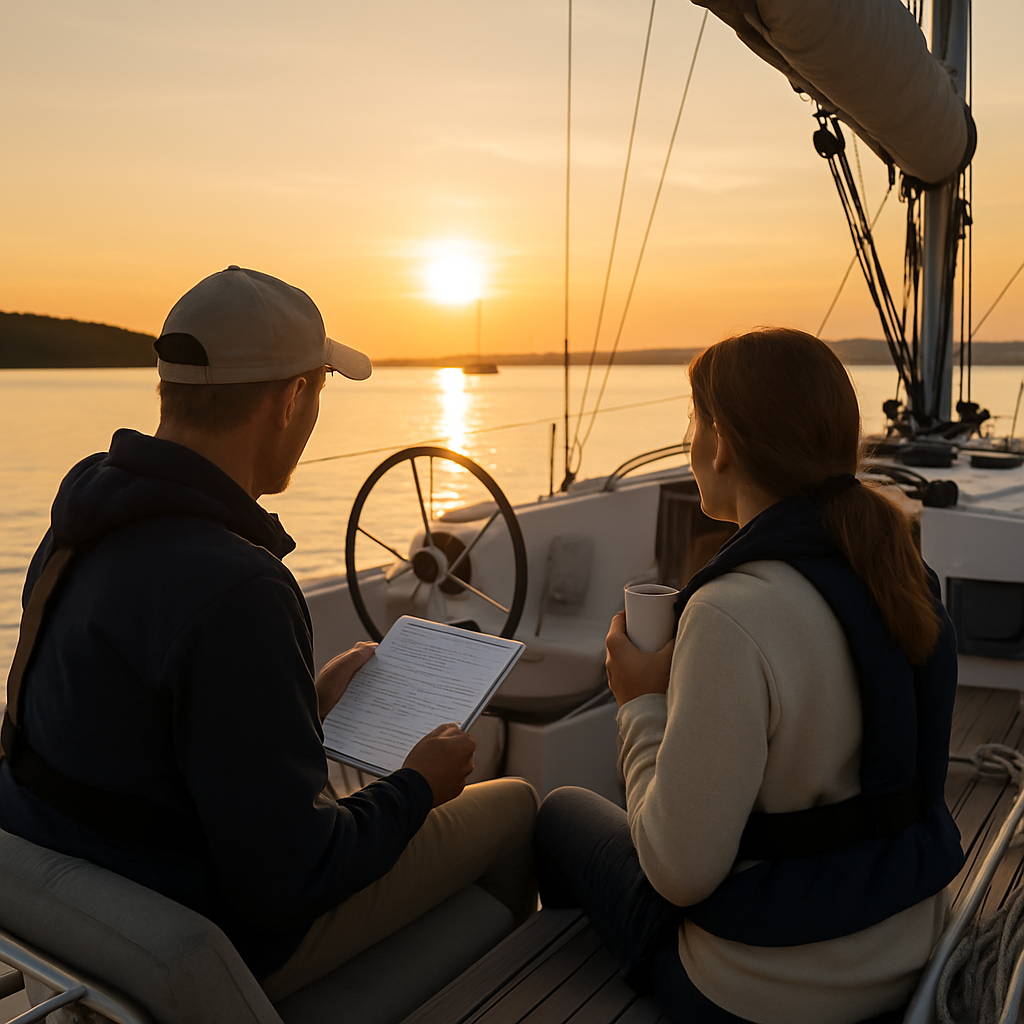
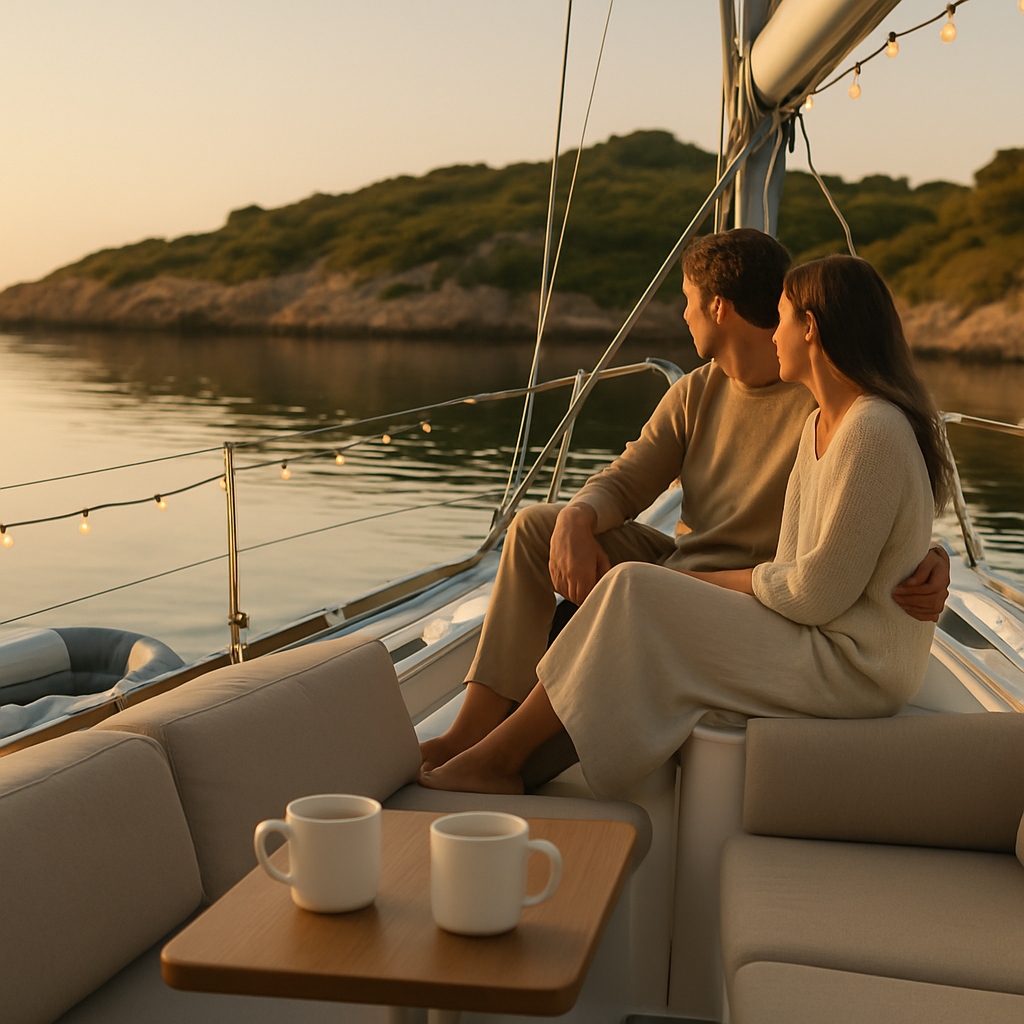
Start with a shared coffee or tea on the foredeck. One person prepares the drink while the other checks the weather and tide—a tiny role swap that keeps both engaged. Pause to name one small thing Du’re looking forward to. It’s a five-minute reset that nudges the day toward connection.
Midday routines for rest and play
After lunch, commit to a “no-screen hour”: reading, napping, snorkeling, or a quiet paddle. Alternate short, light chores—one person rinses dishes, the other tops up water—then reward yourselves with an uninterrupted rest. Rotating simple jobs prevents resentment and keeps the vibe calm.
Evening rituals to close the day gently
Light a hanging lantern or set out string lights. Share a simple meal cooked together—pasta tossed with fresh herbs, grilled fish, or a salad with bread—and choose one slow activity, like listening to vinyl, stargazing, or swapping stories from the day. Keep one night completely open for spontaneous choices.
Communication rituals that work
Before lights-out, say one highlight and one small improvement for tomorrow. This “plus-delta” approach keeps feedback positive and constructive without turning every evening into a planning session. It’s compact, kind, and surprisingly effective.
Rituals don’t require grand gestures—just consistency. Over time, those small shared moments accumulate into a vacation that feels cohesive and restorative rather than fragmented.
Gentle Navigation: Pacing Your Day on the Water
Relaxing Sailing Experiences hinge on good pacing. If the day is overbooked or the passage schedule is optimistic, stress creeps in. Here’s a practical pacing plan Du can use as a daily template to keep things mellow and flexible.
Plan with generous buffers
Estimate passage times conservatively and add at least 25% buffer. Weather can change, or Du might simply want to linger on a beautiful mooring. Buffers let Du enjoy those moments without feeling like the schedule failed.
Favor short passages
One- to three-hour sails are the sweet spot for couples aiming to relax. They’re long enough to relish sailing, short enough to avoid fatigue. Short hops also make it easy to anchor early, stroll onshore, or watch a sunset without rushing.
Adopt a two-activity rule
Limit the day to two meaningful stops or activities—say, a market visit and a beach picnic. Too many transitions fragment the experience. Fewer, richer activities create a day that feels spacious and unhurried.
Make watches humane
If single-handing together or sharing night watches, keep shifts short and comfortable. Add a cushion, a thermos, and a reading lamp to make the watch area pleasant. Rotating short shifts keeps both partners fresh and less likely to grumble.
Embrace the art of early evenings
Finish sailing well before dark when possible. Early evenings allow for slow cooking, deck lounging, and relaxed conversation. The return to the boat or harbor becomes part of the ritual—not a frantic scramble.
In short: pace deliberately. Trade miles for moments. That’s the heart of Relaxing Sailing Experiences.
Destinations Perfect for Relaxation: Hidden Gems
Every cruising ground has secret corners that suit relaxed couples’ cruises. When choosing a destination for Relaxing Sailing Experiences, look for places with sheltered anchorages, short distances between stops, and options for simple shore-side pleasures.
Types of places to consider
- Small archipelagos with narrow channels—sheltered and scenic.
- Protected coastal bays backed by towns with good provisioning.
- Quiet river estuaries with gentle currents and wildlife watching.
- Shallow lagoons with calm, warm water and sandy bottoms.
Examples to inspire the next trip
Choose depending on where Du are in the world. A few ideas to get the imagination going:
- Off-season reaches of the Mediterranean where small islands still offer calm bays and quieter marinas.
- The inside passages of temperate regions—protected channels with forested shores and cozy anchorages.
- Subtropical cays in the Caribbean that shield from open-ocean swell and boast powdery beaches.
- European river estuaries where villages line the banks and the pace is intentionally slow.
When scouting a destination, read local cruising guides, look at satellite charts for protected anchorages, and check seasonal wind trends. The best places for Relaxing Sailing Experiences are the ones that feel safe, offer easy exits, and present natural beauty without needing to battle the elements.
Essential Gear for Stress-Free Leisure Sailing
Good gear is a quiet partner in any relaxing cruise. The right items reduce friction, increase comfort, and free Du both to focus on each other rather than logistics. Below is a practical table of essentials and quick tips on what to look for.
| Item | Why it matters | Quick tip |
|---|---|---|
| Comfortable cockpit cushions | Encourages lounging, longer meals and conversation on deck | UV-resistant fabric, quick-dry foam, removable covers |
| Reliable anchor + rode | Ensures restful nights at anchor | Choose weight and type for bottom conditions; carry a backup |
| Light dinghy & outboard | Easy shore access for exploring and provisioning | Stable tender, reliable small engine, easy stowage |
| Shade options (bimini/awnings) | Prevents sun fatigue, extends comfortable deck time | Modular, ventilated shades are best for variable conditions |
| Simple galley kit | Makes meals easy—fewer stress points in cooking | A couple of versatile pans, a reliable single-burner, and secure storage |
| Navigation aids & charts | Keeps passages safe and planning simple | Digital charts plus a paper backup and a handheld GPS |
| Comfort extras (speaker, hammock) | Create atmosphere and private space without clutter | Compact, stowable items that add comfort without mess |
Remember: less is more. Pick items that are multi-functional and won’t turn the cockpit into a storage heap. The goal is to reduce friction, not add complexity.
FAQ — Common Questions About Relaxing Sailing Experiences
Q: What are the best destinations for Relaxing Sailing Experiences?
A: The best destinations are those with protected anchorages, short distances between stops, and simple shore-side joys. Look for small archipelagos, sheltered coastal bays, river estuaries, and shallow lagoons. Du’ll find calm conditions and plenty of leisurely activities in off-season Mediterranean isles, protected inside passages of temperate regions, subtropical cays in the Caribbean, or quiet European estuaries. Prioritize safety, easy provisioning, and places with natural beauty that don’t require constant seamanship to enjoy.
Q: How do Du plan a relaxing sailing trip as a couple?
A: Start by choosing short daily passages and sheltered waters, then build rituals—morning coffee, an afternoon no-screen hour, and a simple evening meal. Make a conservative passage plan with generous buffers, pick anchorages with amenities you both enjoy, and pack multi-use gear. Divide chores into short rotations so both partners have downtime. Above all, plan fewer activities each day and leave space for spontaneous moments; that’s the secret of Relaxing Sailing Experiences.
Q: What essential gear is needed for a stress-free leisure sail?
A: Essential gear includes a reliable anchor and rode, comfortable cockpit cushions, a stable dinghy with an outboard, shade options like a bimini, a simple galley setup, navigation aids (digital and paper charts), and a few comfort extras such as a waterproof speaker or hammock. Choose items that are durable, multi-functional, and easy to stow so Du keep the deck uncluttered and relaxed.
Q: How can Du avoid seasickness during a leisurely cruise?
A: Favor protected waters with minimal swell, choose routes with short hops, sit forward facing the bow while underway, stay hydrated, and eat light, frequent meals. Natural remedies like ginger or acupressure bands help some sailors; over-the-counter or prescription options are available for those who need them. Planning for calmer conditions and taking preventative measures keeps Relaxing Sailing Experiences enjoyable for both partners.
Q: How should anchorages be chosen for calm nights?
A: Select coves and bays with lee from prevailing winds, good holding bottoms, and minimal boat traffic. Use charts and local advice to avoid tidal streams or areas with exposed fetch. Set a proper scope, consider a stern anchor in rolly conditions, and allow sufficient swing room. If in doubt, pick a marina or sheltered harbor as a backup—calm sleep beats a picturesque but restless anchorage every time.
Q: How long should a Relaxing Sailing Experience be to feel restorative?
A: Even a long weekend of two to three days can reset stress levels if paced well; longer trips of a week or more allow deeper rest and discovery. The key is how Du use the time: short, purposeful pauses, quality rituals, and minimal transitions make even brief trips feel restorative. Tailor length to schedules, but focus on pacing and buffer time rather than raw duration.
Q: What safety considerations are important for calm cruising?
A: Calm cruising doesn’t replace basic safety. Always check weather forecasts, file a float plan with someone ashore, ensure all safety equipment is maintained, and carry reliable communications. Know nearby marinas and emergency anchorages, practice anchoring techniques, and keep navigation and charts updated. Relaxing Sailing Experiences are safer when competence and contingency planning are part of the rhythm.
Q: How can Du balance chores and relaxation without creating resentment?
A: Divide tasks into short, predictable shifts and rotate roles so both partners alternate between active duty and leisure. Turn small tasks into shared rituals—cooking together, rinsing dishes as a team—and schedule dedicated rest times. Clear expectations and light-hearted communication help keep chores from becoming a source of tension on a relaxing cruise.
Q: When is the best season to plan a calming cruise?
A: The best season depends on destination and Du’ comfort with temperatures and crowds. Shoulder seasons (late spring or early autumn in many regions) often offer milder winds, fewer boats, and comfortable temperatures. Check local wind climatologies and tourist seasons: calmer weather and fewer visitors typically enhance Relaxing Sailing Experiences.
Q: Can Du add wellness practices to make the boat feel like a retreat?
A: Absolutely—small wellness touches elevate the onboard experience. Try chilled towels after a swim, short guided breathing exercises, aromatherapy with compact diffusers, gentle stretches on deck, and a ritualized evening wind-down. These simple acts, as suggested in our Spa Inspired Seafaring guide, create a spa-like atmosphere and amplify the restorative power of time at sea.
Final Thoughts
Relaxing Sailing Experiences are a deliberate choice. Choose routes with protected waters, keep daily passages short, and build rituals that make together-time effortless. Above all, remember that sailing together is about being with one another—sharing small duties, laughing at the weather, and reclining under a sky that stretches forever.
If Du take one thing away, let it be this: trade a few nautical miles for a few more minutes of morning coffee together. Those minutes add up to trips that feel like real escapes—restorative, relationship-deepening, and wonderfully, gloriously slow.
Ready to plan the next Relaxing Sailing Experience? Map a short itinerary, pack what matters (not everything), and go where the water is calm and the anchorages plentiful. Du’ll come back with better stories and a quieter mind.