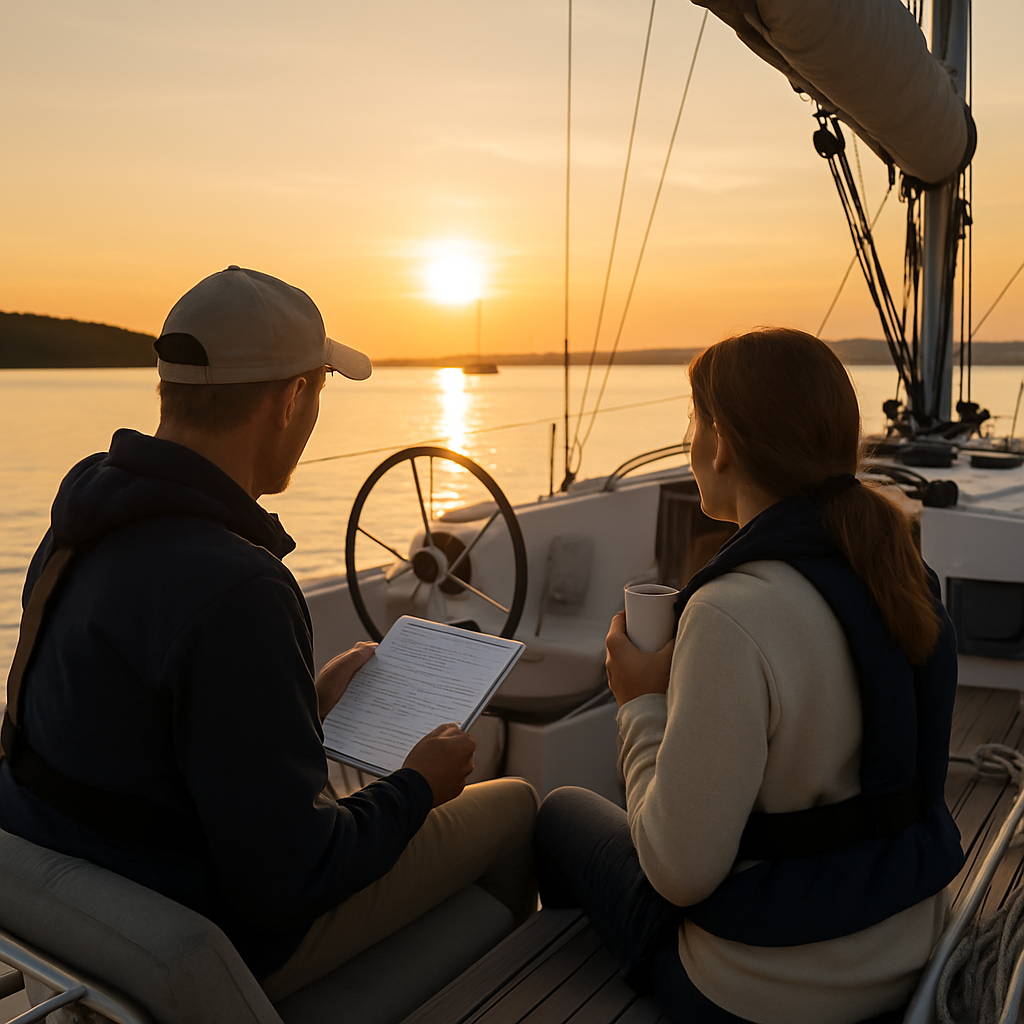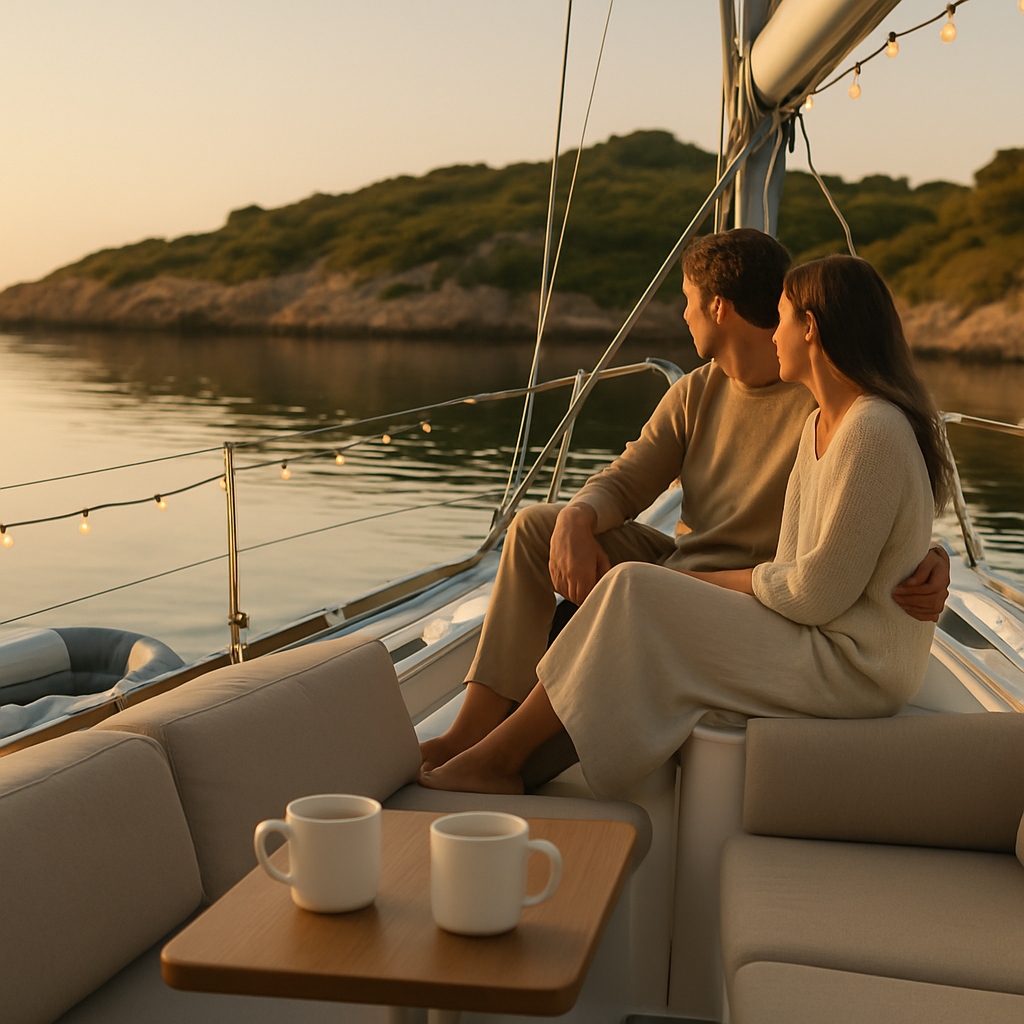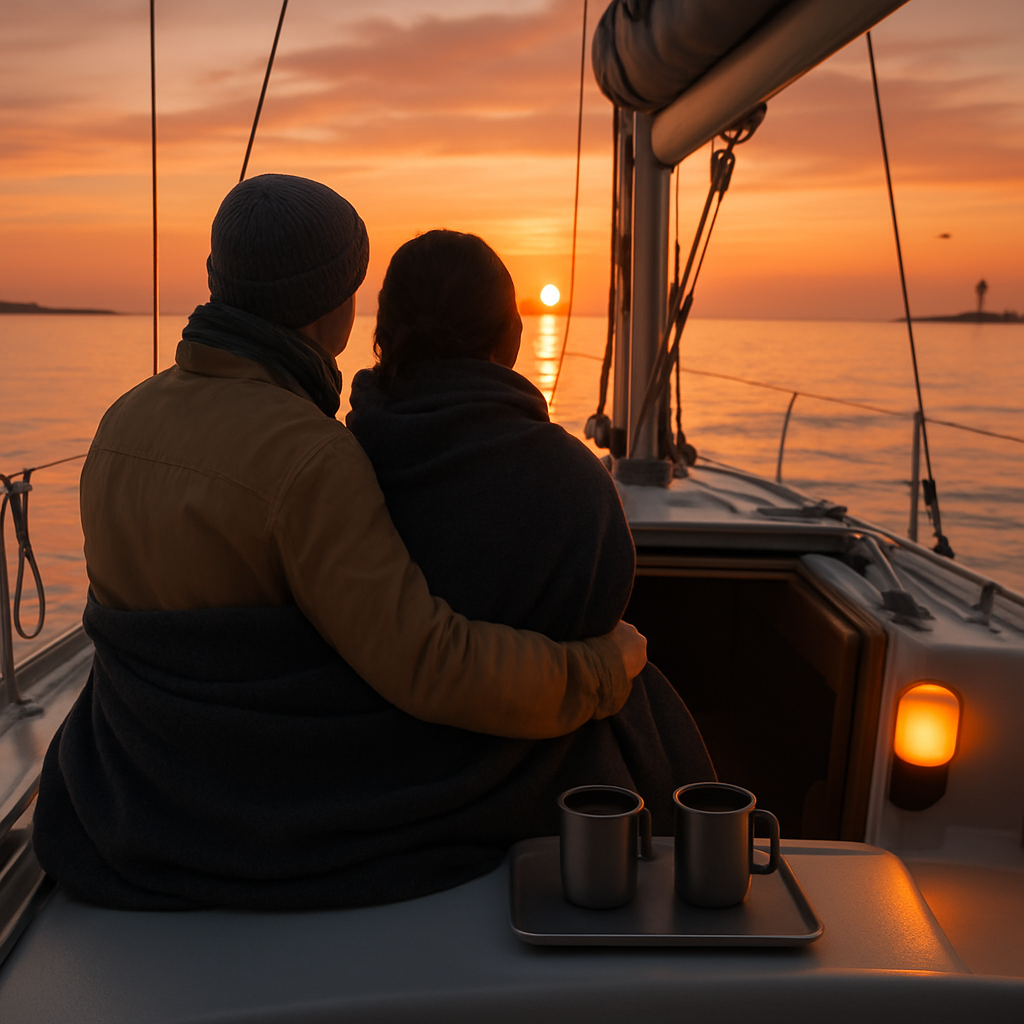
Sunset Strait Cruising: A Romantic Evening Sail for Couples
Imagine this: Du, Dein partner, a small cockpit light casting a warm glow, and the sky melting into colors Du didn’t know existed. That’s the promise of Sunset Strait Cruising — an evening ritual that turns a simple sail into a memory Du’ll replay for years. Whether Du are new to sailing together or Du have logged countless miles as a team, an organized, thoughtful sunset cruise can transform Dein partnership on the water into something quietly magical.
This article is written for couples who want the romance without the hassle: clear steps for planning, practical safety and comfort advice, the best scenic spots to aim for, how to read wind and current to maximize the show, and the soft etiquette that keeps the night peaceful for everyone. I’ll share what we’ve learned — a few mistakes included — so Du can focus on the sunset instead of troubleshooting.
If Du’re looking for concrete route ideas to pair with Dein Sunset Strait Cruising plans, our curated Azure Lagoon Routes guide is a great place to start. It breaks down sheltered coves, reliable anchorages, and scenic passages that often produce those mirror-flat bays and soft reflections Du want at dusk. Use it to pick a nearby slack-water anchorage or a calm approach so the evening feels effortless rather than frantic.
For couples who love combining a sunset with a quick snorkel or a paddle the next morning, check out the practical recommendations in our Barrier Reef Destinations guide. It highlights reefs with easy access from sheltered anchorages, gives tips on timing to avoid strong currents, and suggests low-impact ways to enjoy marine life without disrupting the very things that make a Sunset Strait Cruising night special.
Need a broader spark of inspiration before Du commit to a night out? Browse our collection of Stunning Sailing Destinations for a wide range of ideas — from headland viewpoints to island gateways and sandy bays. It’s a quick way to imagine Dein next sunset route, compare holding types, and see photographic examples that help Du choose the right kind of anchorage for a relaxed evening sail with fewer surprises.
How to Plan Your Sunset Strait Cruising: A Step-by-Step Guide for Two
Good planning is half the pleasure. When Du plan a Sunset Strait Cruising trip with Dein partner, Du are designing an experience. Keep it simple, intentional, and flexible. Below is an easy-to-follow plan that balances romance and seamanship.
Step 1 — Pick the Right Evening
Start by checking the marine forecast and tide tables for the day Du want to sail. Aim for evenings with steady, light-to-moderate winds — think 5–15 knots — which provide motion without anxiety. Clear skies can give dramatic sunsets, but a few high clouds often create the richest colors. If rain or squalls are predicted, reschedule. The goal is a calm, safe window where both of Du can breathe and take photos.
Step 2 — Select a Short, Scenic Route
For couples, shorter is often sweeter. Plan a route that gives Du plenty of time to arrive, settle, and savor the view. A typical plan works like this: depart 60–90 minutes before sunset, sail to a nearby headland, island gateway, or mirror-flat bay, anchor 30–45 minutes before sunset, then return after twilight. This gives Du room for delays and a relaxed pace.
Step 3 — Create a Couple’s Checklist
- Charged VHF and waterproofed phone with offline charts
- Two well-fitting lifejackets (with lights or quick access to strobe lights)
- Anchor, chain, and rode checked for wear; spare line stowed
- Warm layers, a fleece blanket, and windproof outerwear
- Simple snacks, an insulated beverage, and a compact trash bag
- Red-light headlamps and a dimmable cockpit lamp
- Camera or phone with charged batteries; a small tripod if Du like long exposures
Step 4 — Assign Roles, Then Relax
Before Dein shove off, agree on who will handle navigation, who will trim sails, and who will manage the anchor. Keep roles light — nothing too rigid — but clarity prevents last-minute confusion. Once Du are underway, switch off the autopilot if Du want to slow down and feel the boat together. If one of Du wants to be purely present, that’s okay too. The point is to share the evening on terms both of Du enjoy.
Step 5 — Arrive Early and Scout Dein Spot
Get to the anchorage early. Scouting gives Du time to pick good holding, avoid kelp beds or eelgrass, and find a sheltered position from wakes. If it’s crowded, consider anchoring slightly away from the busiest area — privacy is part of the luxury.
Step 6 — Plan the Return with Navigation in Mind
Twilight can trick the eyes. Check civil, nautical, and astronomical twilight times for Dein location and make a plan for when Du want to be under way. If Du are returning after dark, ensure Dein navigation lights are on, GPS is handy, and both of Du are comfortable with night-handling. If not, head back before nautical twilight ends.
Safety, Comfort, and Gear for Sunset Strait Cruising
Safety isn’t the enemy of romance — it’s the foundation. When both of Du feel safe, Du relax, laugh, and enjoy the small things: a shared blanket, a song on low volume, the soft clip of rigging. Below is what matters most.
Safety Essentials
- Lifejackets: Wear them when moving and keep them ready while anchored — inflatable or foam, properly fitted
- VHF radio + handheld backup: Be familiar with Dein local emergency channel and practice brief radio checks beforehand
- Anchor with adequate rode: Use proper scope (7:1 in open water, less in sheltered spots) and test the set
- Navigation lights: Test before departure and have spare bulbs or LED backups
- First aid kit and basic tools: Know where they are — and that at least one person knows basic first aid
- PLB or EPIRB if Du’re cruising remote parts of the strait
Comfort Upgrades That Make a Big Difference
Little comforts are disproportionately satisfying. Consider these: thick cockpit cushions, a windproof throw, two insulated mugs, and a small, steady Bluetooth speaker. Keep music soft — the water has its own soundtrack.
- Blankets and a couple of pillows for lounging in the cockpit
- Soft LED lamps with dim and red modes so Du don’t ruin night vision
- Stable, non-breakable stemware and a secure tray for snacks
- Simple bug repellent solutions for mosquito-heavy evenings
Practical Gear and Extras
Pack smart: small items that solve common annoyances.
- Power bank for phones and camera batteries
- Small binoculars for distant headlands and bird activity
- Handheld depth sounder and wind indicator
- Quick-deploy cockpit table or lap tray to keep food secure
Real-Life Tip: Our Favorite Upgrade
We used to argue about cold toes. Then we added one large, fleece blanket and designated it “the agreement blanket.” It’s silly, yes — and it works. No cold toes, no tussles. Du’d be surprised what a small, cozy ritual does for an evening sail.
Best Scenic Vistas on Sunset Strait Cruising: See the Sky Melt Over the Water
The right spot can make a sunset feel cinematic. When Du pick Dein vantage, think about horizon, silhouette opportunities, water texture, and how the wind will behave. Here are proven spots that tend to deliver.
Western Headlands — Wide Horizons
For an unobstructed sunset, aim for a western headland. The wide view allows the whole sky to perform. This is the classic postcard sunset: long reflections, layers of color, and minimal land clutter.
Lighthouse Promontories — Dramatic Silhouettes
A lighthouse anchored against the setting sun is timeless. Position Dein boat so the tower sits just to one side of the sun for a balanced composition. Approach slowly — these areas can attract photographers and small craft.
Island Gateways and Narrow Passages — Texture and Drama
Channels create currents and varied water surfaces that play beautifully with low-angle light. Rocky islands and narrow cuts can turn the water into a patchwork of luminous and shadowed sections, adding drama to Dein photos and the moment.
Sandy Bays and Mirror Flats — Intimacy and Reflection
Calm, sandy bays can mirror the sky perfectly. Anchor here if Du want stillness and privacy. These spots are ideal for lingerers who want to watch the afterglow while sharing a late snack.
Seabird Rookeries and Rocky Outcrops — Motion and Soundtrack
Birds at dusk add movement and life. Keep respectful distance to avoid disturbance, but enjoy their silhouettes as part of the sunset composition. The calls and wingbeats are the natural soundtrack to a couple’s evening.
Scout by Day — Save Stress for Later
We always recon a spot during daylight. Knowing holding, approach routes, and traffic patterns ahead of time makes the sunset run smoother. Plus, scouting lets Du decide where to anchor without the pressure of fading light.
Wind, Currents, and Timing: Optimizing Sunset Strait Cruising
Conditions make or break Dein sail. A calm, glowing sunset requires more than luck — it requires reading wind and current, and timing Dein anchor set and return correctly. Below are practical considerations to keep both of Du comfortable.
Understand Local Wind Patterns
Most straits develop daily patterns: a seabreeze builds in the afternoon and fades near sunset, while land breezes can appear after dark. If the forecast calls for strong onshore wind early, consider a more sheltered anchorage. If there’s a predictable land breeze after sunset, plan Dein return with that in mind.
Manage Currents and Tidal Flow
Currents in a strait can be deceptively strong. Check tide tables and local current predictions. When possible, anchor near slack water to minimize drag and swing. If currents will be strong at sunset, either pick an alternative anchorage or delay anchoring until the flow softens.
Timing Is Everything
Use a practical timeline to keep the evening relaxed:
- 90–60 minutes before sunset: depart and head toward the chosen viewpoint
- 45–30 minutes before sunset: set anchor, get comfortable, and prepare cameras
- S1 – Sunset: watch the sun — peak color often arrives in the 10–20 minutes after the sun dips
- 20–60 minutes after sunset: decide whether to return or linger; if returning, do so before nautical twilight unless comfortable with night navigation
Expert Suggestion — Aim for Slack Water
If Du can anchor during slack water, Du’ll get the steadiest hold and the least swing. Slack occurs near high or low tide, varying by location. Check local tide charts and plan accordingly — it’s a small bit of effort that pays off in comfort.
Sunset Strait Cruising Etiquette and Tips for a Relaxed Evening Sail
Good manners on the water make the evening enjoyable for everyone. Follow these simple courtesies to keep the mood mellow and the strait pleasant for other sailors and wildlife.
Anchoring Etiquette
- Give generous swing room — don’t pin other boats in
- Avoid anchoring in marked channels or over eelgrass beds
- Turn down the volume on music and keep bright lights to a minimum after dark
Traffic Awareness
Straits can get busy at sunset. Maintain a watch and be prepared for day boats, anglers, kayaks, and paddleboards. Reduce wake near small craft and give unexpected pleasure boaters a wide berth.
Environmental Respect
Bring a reusable bag for trash and take everything back to shore. Avoid single-use plastics that can blow into the water. Use battery candles instead of open flames, and avoid disturbing wildlife — it’s their time to settle too.
Keep It Romantic — But Practical
Little romantic flourishes go a long way: a simple dessert, a shared blanket, and a prepared playlist. But secure glassware and lidded containers, because tipping over snacks kills the vibe fast. If Du want candles, choose battery-operated options that won’t get snuffed by a gust.
Personal Anecdote — The Quiet Oath
One summer, the popular viewpoint was packed. We anchored slightly away, turned off the engine, and promised to keep quiet and present. No one missed the spotlight. Our little “quiet oath” turned out to be one of the best evenings we’ve had — private, peaceful, and oddly profound.
Final Checklist: Ready for Dein Sunset Strait Cruise
Before Dein push off, run through this compact checklist. It covers weather, safety, comfort, and romance essentials so Du can relax and enjoy the moment.
- Check marine weather and tide/current predictions for Dein planned window
- Confirm route, backup anchorage, and estimated return time
- Charge all electronics; bring a power bank
- Wear layered clothing and bring a blanket for warmth
- Have lifejackets accessible while moving; wear them in rough conditions
- Test navigation lights and set them before darkness
- Respect other boats and wildlife — keep noise low
- Bring a camera, but don’t forget to put it away and just watch with Dein eyes
Parting Words for Couples
Sunset Strait Cruising is more than a checklist; it’s a ritual Du build together. It’s about pausing, aligning, and feeling small beneath a spreading sky. Sometimes the best evenings are the simplest: a quiet anchorage, a hot drink, and that comfortable silence between both of Du. Plan well, stay safe, and let the water do the rest.
Want to make it a tradition? Pick a night each month, invite another couple for a double date, or celebrate a small win together. The strait doesn’t change, but Du will — and those little rituals will carry Du through many quiet, brilliant evenings.
Frequently Asked Questions (FAQ)
What is the best time to plan a Sunset Strait Cruising trip?
The ideal timing depends on local wind and tidal patterns, but generally aim to depart about 60–90 minutes before local sunset so Du can arrive early, set anchor, and enjoy the changing light. Check the marine forecast and tide tables the day before and again the morning of Dein planned sail. Calm evenings with light-to-moderate winds and some high cloud often produce the most vivid colors and comfortable conditions.
Is a Sunset Strait Cruising trip safe for beginners?
Yes, when Dein planning includes basic safety measures: brief the route, choose a sheltered anchorage, wear lifejackets while moving, and bring a VHF and charged phone with charts. Avoid complicated passages or strong tidal flows for Dein first outings, and consider inviting a more experienced skipper until Du feel confident handling anchoring and night return procedures.
How close should Du anchor to other boats at sunset?
Give generous swing room. A good rule is to allow at least three times Dein deployed rode as a minimum swing radius in crowded anchorages, even more if there’s a chance of tide changes or wind shifts. If Du can, anchor a little further out for privacy and safety — a few extra meters often makes the difference between a restful evening and a cramped one.
What essential gear should Du bring specifically for an evening sail?
Bring lifejackets, a tested set of navigation lights, a reliable VHF (and handheld), red-headlamps, warm layers, a fleece blanket, insulated drinkware, and a power bank. Small comforts like a soft Bluetooth speaker, stabilized snack tray, and non-breakable stemware elevate the evening. If Du plan to photograph the sunset, bring spare batteries and a small tripod for low-light shots.
How do tides and currents affect where Du should anchor?
Tidal currents in a strait can create strong flows and fickle holding. Aim to anchor at or near slack water when currents are weakest; this minimizes drag and excessive swinging. Avoid anchoring in narrow channels or where the current can pivot Dein bow into heavy chop. Check local tide tables and current predictions and choose sheltered coves when currents are expected to be strong at sunset.
Is it okay to stay after sunset and navigate back in the dark?
It is okay if Du are prepared: ensure navigation lights work, have reliable chartplotter and compass, use red lights to preserve night vision, and both partners should be comfortable with night maneuvering. If Du are unsure, return before nautical twilight ends. Night returns can be peaceful but require extra attention to traffic, markers, and currents.
How can Du take better sunset photos from Dein boat?
Use a small tripod or stable surface to avoid motion blur, shoot slightly after the sun dips (the peak color often occurs 10–20 minutes after), and frame silhouettes like lighthouses or headlands for drama. Reduce ISO to limit grain while balancing shutter speed; a wide aperture helps in low light. Bring spare batteries and use a red headlamp to preserve night vision while composing shots.
What etiquette should Du follow to respect other sailors and wildlife?
Keep noise low, avoid bright lights after dark, anchor clear of sensitive habitats like eelgrass, and pack out all trash. Maintain a respectful distance from seabird rookeries and marine mammals, and choose battery candles over open flames. Simple courtesies help everyone enjoy the evening and preserve the natural beauty that makes Sunset Strait Cruising so special.
Ready to try Sunset Strait Cruising? Pack the agreement blanket, charge the camera, and pick a night. The strait waits, patient and luminous — and so does the moment Du’ll share together.