Discover Magic Together: How Barrier Reef Destinations Turn a Sail into a Love Story (and How You Can Plan One)
Attention: imagine you and your partner gliding over turquoise water, the hull whispering, a coral garden below buzzing with life—and no crowds in sight. Interest: Barrier Reef Destinations are exactly the kind of places that make that scene possible. Desire: they offer privacy, wildlife spectacles, and anchoring spots that feel like they belong only to you two. Action: read on for an actionable, romantic, and practical guide to planning a couples’ sail through the world’s most memorable barrier reefs.
Barrier Reef Destinations: Top Romantic Sailing Spots for Couples
When people talk about barrier reefs, they often picture the Great Barrier Reef—and there’s a reason. But “barrier reef” covers a variety of landscapes and vibes: from the wild, wide coral fields of Australia to the palm-dotted cays of Belize. If you’re planning a couples’ sailing trip, pick a reef destination that matches the mood you want: adventurous, chilled, private, or luxurious. Below are top picks and why couples fall in love with them.
In planning your route, don’t overlook practical launch points: small Coastal Town Marinas often offer friendly provisioning, local knowledge, and quieter berthing that help you start relaxed. For destination ideas and vivid route examples, browse curated lists of Stunning Sailing Destinations showing cays, lagoons and anchorages ideal for couples. And when you want a cinematic evening, pick passages known for Sunset Strait Cruising—those golden-hour slips through narrow channels are pure magic.
Great Barrier Reef, Australia
Why it’s romantic: vastness with intimate pockets. You can anchor near a deserted cay, snorkel along teeming coral walls, then dine under a sky full of southern constellations. The variety is staggering—shallow lagoons, outer-shelf reefs, and sheltered anchorages to suit lazy days or ambitious dives.
Mesoamerican Barrier Reef (Belize & Mexico)
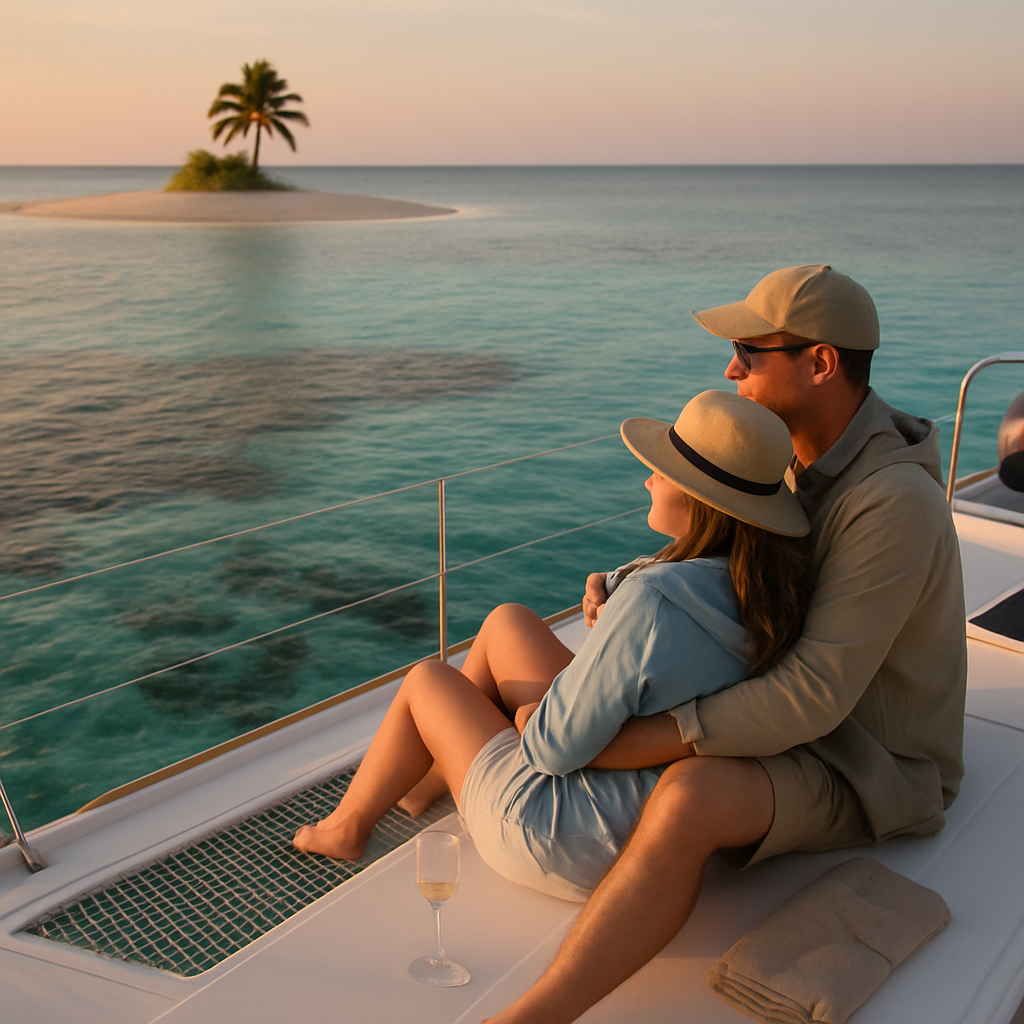
Why it’s romantic: warm water, gentle currents, and quiet sandbanks. Belize’s Turneffe Atoll and the Ambergris Caye region have cays where you can beach the dinghy and picnic among powdery sand—just you, palms, and a breeze. It’s ideal if you like intimate beaches and excellent snorkeling with minimal fuss.
New Caledonia
Why it’s romantic: enormous lagoons, long white beaches, and islands that still feel off-grid. The Isle of Pines and the Loyalty Islands offer picture-perfect anchorages, ideal for couples wanting to escape mainstream tourism without traveling to the ends of the earth.
Florida Keys / Florida Reef Tract
Why it’s romantic: easy access and iconic sunsets. This reef is perfect for short escapes or combining a sailing trip with a bit of land-based comfort. Think late-afternoon cocktails on deck followed by a moonlit swim off a quiet point.
Each of these Barrier Reef Destinations brings something different. Pick the one that sounds like the kind of memory you want to create—then lean into those particular perks: quiet beach days, dramatic dives, or slow, wine-fueled sunsets.
Sail With 2: Barrier Reef Destinations—Best Time to Visit for Couples
Timing can make or break a reef trip. Clarity, wind, stinger season, and hurricane windows all affect how comfortable and romantic your sail will be. Below is a regional breakdown to help you choose optimal months and avoid surprises.
Great Barrier Reef (Queensland)
Best months: May–October. The cooler, drier period brings clearer water and fewer tropical storms—great for snorkeling visibility and comfortable evenings. If the idea of warm, humid nights doesn’t excite you, avoid the austral summer months.
Mesoamerican Reef (Belize & Mexico)
Best months: November–April. This dry season offers calm seas and warm days. Hurricane season runs roughly June–November; if you travel in the shoulder months, keep an eye on forecasts and leave a buffer day or two at the end of your trip.
New Caledonia
Best months: April–November. Cooler trade winds, fewer cyclones, and plenty of sunshine. Summer months can be hot and wet. If you love calm lagoon sailing, the austral autumn and winter are sweet spots.
Florida Keys
Best months: November–May. Mild temperatures and lower humidity make these months pleasant for couples who want to combine sailing with landside dinners and local culture. Avoid the height of hurricane season for extended trips.
Pro tip: always build flexibility into your itinerary. Weather systems can change quickly around barrier reefs; a relaxed schedule improves safety and romance. You’ll thank yourself when you can linger in a perfect cove instead of rushing because of a forecast.
Exploring Barrier Reef Destinations by Catamaran: Snorkeling, Wildlife, and Romance
If you’re choosing a boat for a couples’ reef cruise, a catamaran is hard to beat. Stable, spacious, and shallow-drafted, catamarans let you anchor close to sandbanks and enter calm lagoons with ease. But what makes catamaran sailing with your partner uniquely romantic—and how do you maximize every magical moment?
Why a Catamaran Feels Right for Two
- Stability reduces motion sickness and keeps evenings on deck comfortable.
- Cockpit and trampolines create private lounging zones for sunbathing, reading, or late-night chats.
- Shallow draft opens access to sheltered flats and sand cays—a privacy win.
- Easy dinghy operations mean more spontaneous beach visits and sunset excursions.
Snorkeling & Wildlife Encounters
The best part of Barrier Reef Destinations is the wildlife: turtles grazing on seagrass, playful reef fish, rays cruising shallow flats, and (in the right season) migrations of manta rays or whales. For couples, shared wildlife moments create stories you’ll retell for years—“remember when a turtle popped up right beside the boat?”
Romantic Ideas to Add Spark
- Sunset dinghy champagne: anchor in shallow water and head to a sandbank at golden hour.
- Dawn snorkel: the reef feels private at first light—float quietly and watch the day begin.
- Underwater photoshoot: rent a GoPro or housing and make a quirky reef memory book.
- Surprise beach dinner: coordinate a small lantern and an easy-to-prepare picnic for a night ashore.
Don’t forget to balance activity with idle time. Some of the richest moments are simple—lying on the trampoline and listening to the water lapping, talking until the stars look like glitter.
Barrier Reef Destinations: Practical Safety and Packing Tips for Couple Sailors
Safety keeps romance relaxed. A little preparation goes a long way. Below is a compact, practical packing and safety checklist designed for easy reference. Take it seriously—then enjoy the freedom it provides.
| Item | Why You Need It | Handy Tip |
|---|---|---|
| Lifejackets (correct fit) | Vital for safety in rough conditions or night swims | Test fit before departure; make them comfortable so you’ll wear them if needed |
| EPIRB/PLB & VHF | Distress signaling and local comms | Program local channels and practice a test call |
| Charts, guidebooks, and local notes | Reefs and shoals shift—knowledge prevents grounding | Keep paper charts as backup to electronics |
| Reef-safe sunscreen & protective clothing | Protect both your skin and coral ecosystems | Apply before entering water and reapply on deck |
| First aid (including sting kit) | Minor injuries and stings do happen | Include antihistamines and a local emergency contact list |
| Anchor & mooring gear (spare line, snubber) | Solid anchoring keeps you secure and protects coral | Seek mooring buoys when provided to protect reefs |
| Waterproof bags & spare clothes | Keep essentials dry and comfortable | Store passports and phones in locked dry bags |
Operational Tips for Couples
Two people can run a boat smoothly if roles are clear. Brief each other daily on watch plans and anchoring procedures. Rotate simple tasks: one navigates, the other handles lines—and swap. If you’re new to reef sailing, book a local skipper for one day to show you tricky passes and good anchors. It’s hands-on tuition with immediate reward.
Packing Essentials (quick list)
- Light layers, windproof jacket, and quick-dry fabrics
- Reef-safe sunscreen, rashguards, and water shoes
- Reusable water bottles, a small cooler bag for beach picnics
- Underwater camera or GoPro with spare batteries
- Small toolkit, spare fuses, and basic engine spares
Hidden Gems in Barrier Reef Destinations: Quiet Anchors and Secluded Bays for Two
The best romantic spots are often the least publicized. Hidden anchorages are rewards for patience, curiosity, and a willingness to explore a little off the beaten track. Here are types of secluded spots to seek—and how to find them.
Types of Quiet Anchorages
- Sandy cays inside reef rings: shallow, protected, and picture-perfect for private picnics.
- Mangrove lagoons: quiet, sheltered, and rich with birdlife—ideal for calm mornings.
- Fringing island leeward bays: the side sheltered from prevailing winds often offers gentle anchoring.
- Remote reef channels: for skilled navigators, outer reef channels can open to tiny coves that feel like your own private island.
How to Find Them
Ask local charter operators, skippers, or cruisers’ forums. Use the less-beaten marinas as launch points—they get you closer to quieter sectors. And a simple rule: the farther from large resorts or charter fleets, the better your chances of a private bay. Always double-check charts and local rules—some secluded spots are protected and may have mooring-only policies.
A favorite memory from a small reef we visited: we anchored behind a curving reef head, launched the dinghy, and rowed to a tiny palm-fringed cay. No music, no lights—just the sound of your boots in sand and a tiny bonfire we coaxed into life. Those are the nights that stick with you.
7-Day Itinerary Through Barrier Reef Destinations: A Couple’s Sailing Adventure
Here’s a relaxed, flexible 7-day plan built for romance and exploration. It assumes you have a catamaran or similar cruising platform and average winds. Adapt distances and activities to local conditions—this is a blueprint, not a rule.
Day 1 — Arrival, Provisioning & Short Sail
Get to know your boat and each other in the rhythm of the sea. Provision together, check safety gear, and practice anchoring in a nearby protected bay. Keep the pace easy: a snorkel, a shared meal, and an early night to the sound of water.
Day 2 — Sand Cay Picnic & Reef Snorkel
Sail to a shallow cay. Spend the morning snorkeling and the afternoon beachcombing. In the evening, cook together on deck and toast the day with a small dessert—store-bought can taste Michelin with the right view.
Day 3 — Marine Reserve & Guided Snorkel
Visit a marine reserve for peak reef health and biodiversity. Hire a guide if possible—locals reveal animal hotspots and safety tips that make the experience richer. Use the evening to swap stories and photos while the boat rocks gently.
Day 4 — Passage to a Remote Atoll
Make a longer passage today. Sailing gives you space to breathe—and good playlists. Arrive mid-afternoon at a remote atoll, find a protected anchorage, and celebrate with a special onboard dinner.
Day 5 — Diving or Kayaking Day
If you dive, book a local dive to see the deeper walls. If you prefer surface time, kayak or snorkel along mangrove channels. Finish with a sunset snorkel—bioluminescence or nocturnal fish can feel like marine magic.
Day 6 — Secluded Bay & Slow Day
Anchor in a quiet bay and do almost nothing. Nap, read, paddle, cook a slow meal together. These unstructured days are often the most memorable.
Day 7 — Return & Buffer Day
Sail back toward your base, stop for one last snorkel if weather allows, and return the boat. Always leave at least one buffer day for weather or delays—rushing home kills the last traces of vacation calm.
Want to make the trip extra special? Add small, unexpected touches: a printed playlist for each day, a napkin with a hand-written menu for a special dinner, or a tiny framed photo from each morning’s snorkeling session. Those are the things you’ll put on a shelf and smile at for years.
Final Thoughts: Make the Reef Yours—Responsibly
Barrier Reef Destinations are more than backdrops; they’re living ecosystems. Enjoy them, yes—wildlife encounters and secluded beaches are addictive—but leave them healthy for the next couple to fall in love. Use moorings, respect protected areas, and choose reef-safe products. Plan with a buffer day or two, stay flexible with weather, and prioritize safety: it makes everything more enjoyable.
Comprehensive FAQ — Common Questions About Barrier Reef Destinations
Q: What are the best Barrier Reef Destinations for couples?
A: The best pick depends on the vibe you want: Great Barrier Reef for epic scale and variety, Belize and the Mesoamerican Reef for warm sand cays and gentle snorkeling, New Caledonia for huge calm lagoons and remote islands, and the Florida Keys for easy access and dramatic sunsets. Choose based on whether you want remote adventure, snorkeling ease, or short romantic escapes.
Q: When is the best time to visit Barrier Reef Destinations?
A: It depends on region—generally pick the dry, calmer months. For the Great Barrier Reef aim for May–October; Belize and Mexico are best November–April; New Caledonia is great April–November; Florida Keys November–May. Always avoid peak hurricane or cyclone seasons and keep a flexible buffer day for weather.
Q: Do we need to be certified divers to enjoy the reefs?
A: No—snorkeling delivers spectacular experiences and is often the easiest way to enjoy coral gardens. If you both want dives, consider a short certification before travel or book guided dives with local operators who supply gear and guidance.
Q: Is a catamaran really better for couples on a reef trip?
A: For many couples, yes. Catamarans are stable, roomy, and have shallow drafts—great for anchoring near sand cays and lounging on trampolines. They make island-hopping and relaxed days much more comfortable, especially if one partner prefers calm platforms.
Q: How can we avoid crowds at popular reef sites?
A: Travel in shoulder seasons, start from smaller marinas, seek less-developed sectors, and aim for early-morning or late-afternoon snorkels. Exploring smaller cays and asking locals for quieter spots helps too—sometimes the best places aren’t on the glossy brochures.
Q: What safety and health precautions should we take?
A: Pack reef-safe sunscreen, a robust first-aid kit with sting treatment, lifejackets that fit, and an EPIRB or PLB. Check local medical facilities and emergency contacts, bring seasickness remedies if you’re prone, and always buddy up for snorkeling or night swims.
Q: How do we avoid damaging coral while anchoring?
A: Use designated mooring buoys when available. If you must anchor, pick sandy patches away from reef, use a proper anchor scope, and consider a second anchor in tricky spots. Avoid dragging and keep a watch on your anchor alarm.
Q: What should we pack for a week-long reef sail?
A: Pack light layers, quick-dry clothing, reef-safe sunscreen, rashguards, water shoes, a waterproof bag for valuables, an underwater camera, reusable water bottles, and a small toolkit. Don’t forget chargers, spare batteries, and physical charts as backups.
Q: Are reef areas family-friendly or better for romantic couples only?
A: Many reefs are family-friendly—shallow cays and calm lagoons are perfect for kids. For couples seeking romance, target quieter atolls and secluded bays. The trip style—more activity or more downtime—lets you tailor the experience to your crew.
Q: How do we plan for sudden weather changes or hurricanes?
A: Always check long-range forecasts before departure and build at least one buffer day into your return. Know safe havens and nearby marinas, and have an action plan for sheltering or moving to a protected harbor if conditions worsen. Local weather apps and VHF updates are lifesavers.
Q: Can a short charter still feel romantic and authentic?
A: Absolutely. Even a three- to five-day charter can deliver memorable moments if you pick a compact route, prioritize a few private anchorages, and keep plans flexible. Choose quality time over cramming too many stops into your schedule.
Q: How can we be better reef stewards while enjoying our trip?
A: Use reef-safe products, avoid touching coral or chasing wildlife, use moorings, and respect local rules in marine protected areas. Small choices—like switching to mineral sunscreens or carrying trash back to shore—add up and help keep reefs healthy.
Ready to plan your own reef escape? Start with the mood you want—wild, quiet, or somewhere between—then pick a destination and a season that match. From there, build in flexibility, safety checks, and a few surprise moments. Barrier Reef Destinations are waiting, and with a little planning, they’ll give you a week (or a lifetime) of memories.