Packing Light Guide: Sail Smarter, Not Heavier — How Two People Can Pack for Freedom on the Water
Attention: You and your partner dream of salty mornings, quiet anchorages, and unhurried sunsets. The last thing you want is to feel like you’re moving house every time you step aboard.
Interest: This Packing Light Guide gives you a practical, safety-first roadmap to pack less and live better at sea. It blends clear checklists, wardrobe strategies, lightweight gear picks, space-saving tricks, and real couple-tested stories from Sail With 2.
Desire: Imagine opening a locker and finding exactly what you need — no digging, no duplicates, no bulky dead weight. With the right mindset and a few clever habits, you’ll have more room for provisions, more balance in the boat, and more time to enjoy each other’s company.
Action: Read on, mark the checklists, do a trial pack, and build a compact system that becomes your new cruising ritual. Ready? Let’s trim the excess and set sail.
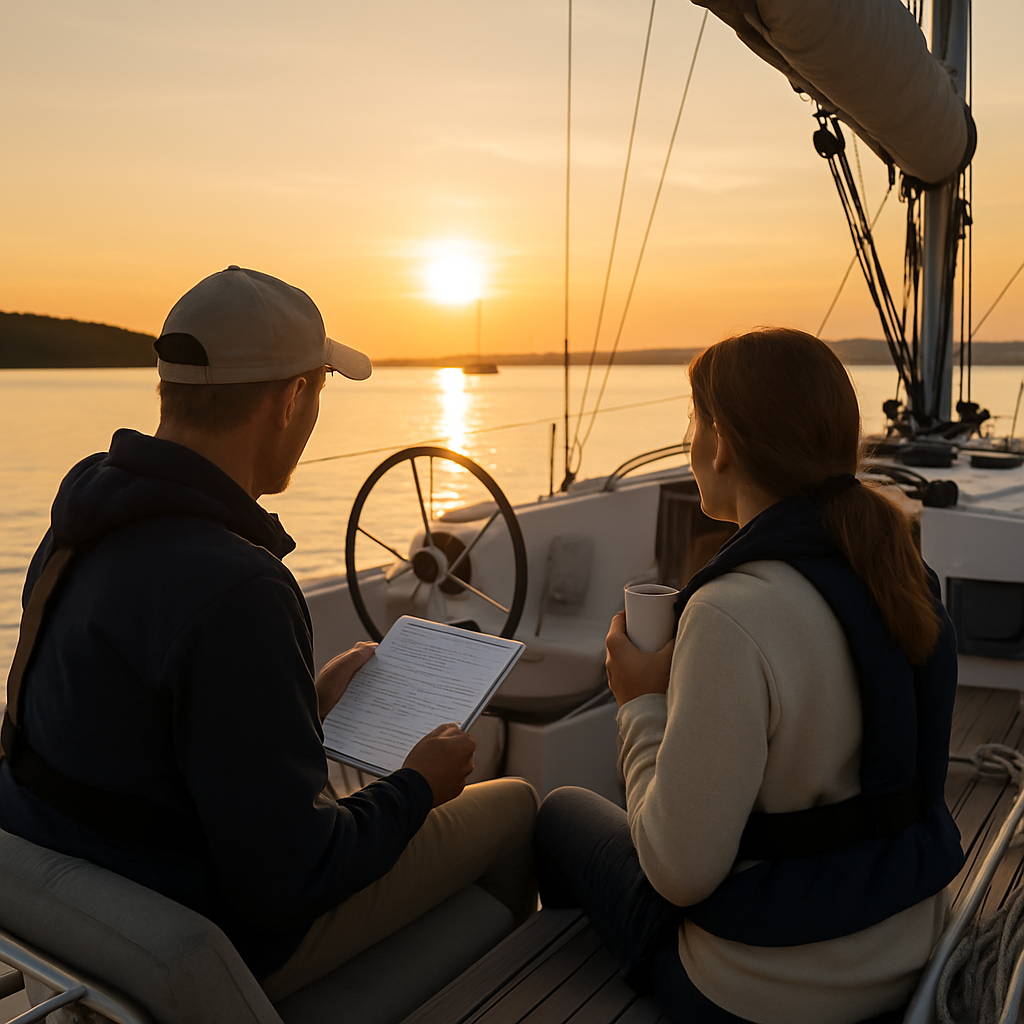
As you prepare for your trip, consider brushing up on our Crew Communication Protocols, which explain straightforward ways for couples to coordinate watches, call maneuvers, and handle unexpected situations without confusion. For additional practical advice that ties directly into packing and onboard routines, take a look at our broader collection of Practical Tips that cover everything from provisioning to quiet-anchor etiquette. And before you cast off, complete one of our easy-to-use Sail Plan Templates so someone ashore knows your route and timing — a simple step that adds safety and peace of mind to your light-and-smart approach.
Packing Light Guide: Essentials for a Couple’s Open-Water Adventure
Packing light starts with prioritizing: what keeps you safe, comfortable, and mobile. The first step is to decide which items are mission-critical and which are nice-to-have. This Packing Light Guide essentials list is deliberately lean but thorough — perfect for coastal hops or short passages. Use it as a template and tweak for trip length, climate, and whether you’ll have shore resupply.
- Documents & navigation: IDs or passports, boat documentation, laminated emergency contacts, navigational charts (digital backups on a tablet are fine, but keep a paper backup for long trips), spare batteries/chargers.
- Safety & emergency: One sized lifejacket per person, throwable flotation, EPIRB/PLB accessible, handheld VHF in waterproof case, compact first aid kit tailored for sea injuries, signaling kit (flares/mirror/whistle).
- Clothing basics: 3 quick-dry tops each, 1 warm midlayer each, 1 waterproof breathable jacket each, 2 pairs underwear, 1 pair sailing trousers, 1 pair shorts, lightweight deck shoes.
- Sleeping & comfort: Lightweight sleeping bag or duvet insert, inflatable pillow, earplugs and eye mask for light anchorages.
- Food & cooking: Collapsible cookware set, efficient stove, compact fuel, minimal spice kit, reusable utensils and cups.
- Tools & maintenance: Multitool, adjustable wrench, small set of essential shackles and spare lines, rigging tape, sewing kit.
- Toiletries & meds: Essentials only: sunscreen, motion-sickness meds, prescriptions, biodegradable soap in travel-size containers.
- Electronics: One shared phone (waterproof pouch), small power bank, optional folding solar charger for longer trips.
- Extras: Lightweight binoculars, waterproof dry bags, headlamps, deck broom, collapsible bucket.
How to decide quantities
Ask yourself: can we wash by hand? Is there a laundry stop? Will the weather be stable? If yes, cut one-third of clothes. If no, keep an extra insulating layer. This Packing Light Guide principle keeps you flexible: bring what covers likely needs — not every hypothetical need.
Packing Light Guide: Smart Wardrobe Staples for Sailors
Clothing at sea is all about layering, fabrics that perform, and pieces that play double duty. Forget bulky sweaters and a dozen T‑shirts. Choose lightweight, odor-resistant items you can mix and match. Your wardrobe becomes a tool, not baggage.
Three-layer system
Base, mid, and shell. Keep the base light for warm days, the midlayer for chill, and the shell for weather. This combo covers most conditions without excess.
- Base layer: 2–3 quick-dry tops per person — one short-sleeve, one long-sleeve for sun or cool nights.
- Midlayer: One merino or technical fleece each. These regulate temperature, resist odors, and pack small.
- Shell: One packable waterproof jacket each with taped seams. Breathable is key — you’ll sweat under non-breathable shells.
- Bottoms: One quick-dry trouser and one pair of shorts. Convertible trousers are excellent space-savers.
- Shoes: One pair of non-marking deck shoes and one pair of sandals or water shoes. If space is tight, pick a versatile shoe that can handle both deck and shore.
- Accessories: Microfiber towel (shared), a lightweight beanie, gloves for cooler weather, sunglasses with retention strap.
Packing clothes like a pro
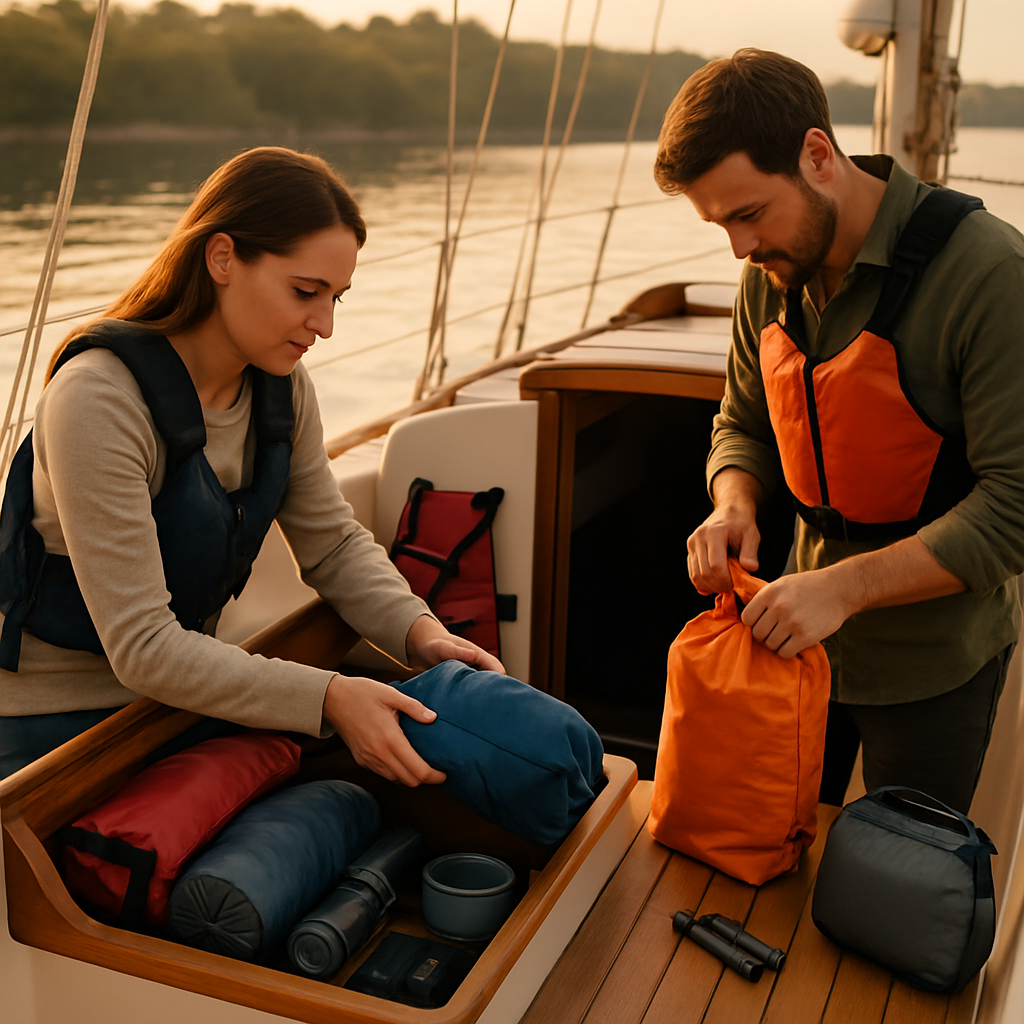
Roll the tees, fold the jackets carefully, and use compression bags for down. But be mindful: compression reduces loft if down is stored compressed for months. Assign each person a color-coded dry bag for daily wear so mornings are fast and peaceful — no locker archaeology required.
Packing Light Guide: Lightweight Gear for Comfortable Days at Sea
Comfort doesn’t mean carrying the kitchen sink. Aim for items that give big comfort returns for small weight and space. The right lightweight gear can transform a cramped cabin into a cozy retreat.
- Cookware: Titanium or ultralight aluminum pots, collapsible bowls and cups. A compact single-burner can outperform a two-burner if fuel and weight are concerns.
- Sleeping: Inflatable mattresses and a compressible down quilt are light and warm. If you prefer foam, cut it to berth size to save space.
- Water systems: Collapsible water jugs and a robust water filter or purifier means you don’t lug heavy bottled water.
- Cleaning & laundry: Soap for hand washing, a travel-sized scrubbing bag, and a compact clothesline are tiny and highly effective.
- Entertainment: One tablet or e-reader, a lightweight speaker, and a deck game like cards save tons of space over books and bulky entertainment gear.
- Power: High-capacity power bank and USB-C charging reduce the need for multiple chargers. A small folding solar panel is worth it for extended trips.
Choose quality over quantity
One well-made jacket, one reliable stove, one good pair of shoes — these items outperform several cheap alternatives and last through seasons of cruising. This Packing Light Guide advice saves both space and headaches later.
Packing Light Guide: How to Pack Minimally Without Sacrificing Safety
Trimming gear is smart — until it compromises safety. This is non-negotiable: life-saving items stay on board no matter what. But safety can be smartly consolidated so it doesn’t mean doubling everything per person.
Principles to live by
- Always bring the essentials: Lifejackets, signaling devices, and reliable communication equipment are mandatory.
- Centralize spares: Keep one well-stocked spares kit on the boat instead of duplicating small spares for each person.
- Redundancy by system: Rather than duplicating items, ensure each critical system has a backup: navigation (paper + electronic), communication (fixed VHF + handheld), signaling (EPIRB + handheld flares).
- Train regularly: Practice drills. Knowing your gear reduces the need to carry “extras” that are only used because you’re unsure how to use the main item.
| Item | Why it matters | Minimal approach |
|---|---|---|
| Lifejackets | Personal flotation is the primary survival tool | One well-fitted and serviced PFD each; keep harnesses if needed |
| VHF Radio | Primary short-range communication | One fixed plus one handheld charged and waterproofed |
| EPIRB/PLB | Global distress signaling | One registered device, tested before departure |
Small sacrifices, big safety
You might skip an extra pair of shoes, but you don’t skip a checked EPIRB battery or a tested VHF. The Packing Light Guide mindset isn’t about gambling; it’s about being efficient and deliberate.
Packing Light Guide: Space-Saving Packing Techniques for Small Boats
Every inch counts on small boats. How you pack determines how easily you live aboard. Here are practical techniques for making lockers and cabins efficient and functional.
Locker-friendly habits
- Soft bags rule: Use soft, flexible luggage. Dry bags double as both luggage and waterproof storage.
- Compress but protect: Compression bags are great for quilts and jackets, but don’t leave technical insulation compressed for months.
- Color-coded system: Assign each person a color for dry bags and packing cubes. Saves time and reduces arguments at 6 a.m.
- Vertical and hidden spaces: Hang organizers behind doors or in hanging lockers for small items. Use bungee nets under bunks for shoes and flotation gear.
- Keep weight low and centered: Store heavy items along the centerline and as low as possible. This keeps the boat balanced and improves sailing performance.
Daily routines that save space
A five-minute tidy every evening prevents clutter from turning into chaos. Put used items in their lockers, rinse and hang wet gear, and run a quick sweep of the deck. Small consistent actions keep space usable.
Packing Light Guide: Real-Life Couple Stories and Expert Tips from Sail With 2
Real voyages teach the best lessons. Here are honest stories from couples who learned the hard way — and then simplified smartly.
The Jacket Swap
We once both packed bulky shells for an autumn cruise. On day two, after a squall and a cramped locker, we tried sharing one superior waterproof jacket and layering underneath. It worked. One fewer bulky item freed locker space for provisions and a small toolkit. Lesson: coordinate before you pack. One excellent item often beats two mediocre ones.
The Missing Shackle
On a windy passage, a rigging shackle failed. We didn’t have an exact spare, and improvisation ate time and patience. After that, we made a tiny emergency spares kit: a few common shackles, stainless crimp sleeves, a short length of high-quality line, and a strip of duct tape. It sits centrally and weighs less than a loaf of bread — but it saved us when it mattered.
Laundry by the Sea
For longer trips, we reduced clothing to three changes each and washed by hand every few days. Quick-dry fabrics and a small clothesline made this painless. The payoff was space: lockers filled with food and water rather than excess clothing.
Expert tips from Sail With 2
- Trial pack at home: Do a weekend test. Use only what’s in your bags. You’ll quickly see what’s unused.
- Refillable toiletries: Reusable travel bottles cut weight and plastic waste.
- Keep a grab bag: A waterproof grab bag with passports, meds, a charged phone, and a power bank should live by the companionway.
- Checklists are liberating: A simple pre-departure checklist reduces last-minute panic and prevents overpacking “just in case.”
- Rotate gear seasonally: Leave true spares onshore if you’re cruising locally; bring them for offshore passages.
Final thought from the coach’s chair
Packing light is a practice, not a one-time event. You’ll refine your system each cruise. Start with the Packing Light Guide checklist, do a trial pack, and then iterate. The goal is less about deprivation and more about freedom: less hauling, fewer choices, more time to drink coffee with your feet up and the horizon in view.
FAQ — Common Questions About Packing Light Guide
Q: What’s the absolute essentials packing list for a couple going on a weekend sail?
A: For a weekend, keep it tight: two quick-dry tops each, one insulating midlayer, one waterproof jacket each, one pair of bottoms and one shorts each, two sets of underwear, PFDs, a compact first-aid kit, basic tools/multitool, a stove with fuel, utensils, and a small water container with a filter if needed. Add a shared grab bag with passports, meds, and a power bank. Focus on multipurpose items only.
Q: How many outfits should I pack per person for a week-long cruise?
A: Aim for 3–4 tops, 2 bottoms, one warm midlayer, and a shell. Plan to wash by hand every few days. Quick-dry fabrics help a lot, so you can rotate a smaller wardrobe without smelling like a locker room.
Q: Can you share clothing or safety gear with your partner to save space?
A: Yes, for many items like towels, a high-quality jacket (if sizes are compatible), or a shared set of cookware. Never share lifejackets—those must fit individually. Centralize spares like tools and shackles on the boat rather than doubling them between both of you.
Q: How do you balance weight on a small boat when packing light?
A: Keep heavy items low and on the centerline—batteries, water, heavy tools. Distribute weight fore and aft to maintain trim, and balance port to starboard roughly evenly. Stow bulky but heavy items in lockers under the berths or engine room. When in doubt, move gear and note handling changes on short sail tests.
Q: What fabrics and clothing choices work best for minimal packing?
A: Merino wool and synthetic technical fabrics are top picks: they dry fast, resist odor, and pack small. Avoid cotton as it holds moisture and smells. Convertible trousers, packable down or synthetic jackets, and a breathable shell give you maximum flexibility with few items.
Q: How do you handle power for navigation and devices without overpacking batteries?
A: Use a high-capacity power bank and USB-C charging for small devices, and a single, efficient inverter for boat electronics. If you’ll be offshore for days, a small folding solar panel will keep things topped up and reduce the number of heavy batteries you’d otherwise need to carry.
Q: Is it possible to do extended cruising with only the items listed in a packing-light guide?
A: Absolutely — if you plan for laundry, resupply, and maintenance. For multi-week trips, pack slightly more spares for critical systems and add a small tool kit. Plan regular stops or have a robust water-making/filtering strategy. The key is planning and adaptability, not just skimping.
Q: What safety items are non-negotiable even when you’re trying to pack light?
A: Lifejackets, a reliable means of communication (VHF and a charged handheld), EPIRB/PLB, basic first-aid kit, signaling devices, and essential navigation backups (paper charts and a charged GPS device). Keep these accessible and checked before you leave.
Q: How do you dry and store wet gear to avoid mildew when space is limited?
A: Rinse salt off as soon as possible, wring and hang items to partially dry, then stow in breathable mesh or dedicated wet bags if you must. Open lockers when conditions allow and air out gear regularly. A nightly routine of hanging and airing wet items prevents most mildew problems.
Q: Do you recommend a trial pack, and how should you run it?
A: Yes—do a weekend trial using only what you’ve packed. Sail for a day or two, and note what you use and what you don’t. Tweak quantities accordingly. The trial pack reveals redundancies and helps you refine a packing system that works for both of you without guesswork.
Packing light doesn’t mean living narrowly. It means choosing well, sharing smartly, and making space for what actually matters: time together on the water. Use this Packing Light Guide to create a practical, repeatable system for your couple’s adventures. Try a trial pack, streamline, and then go find that quiet cove. The sea rewards those who travel light.